


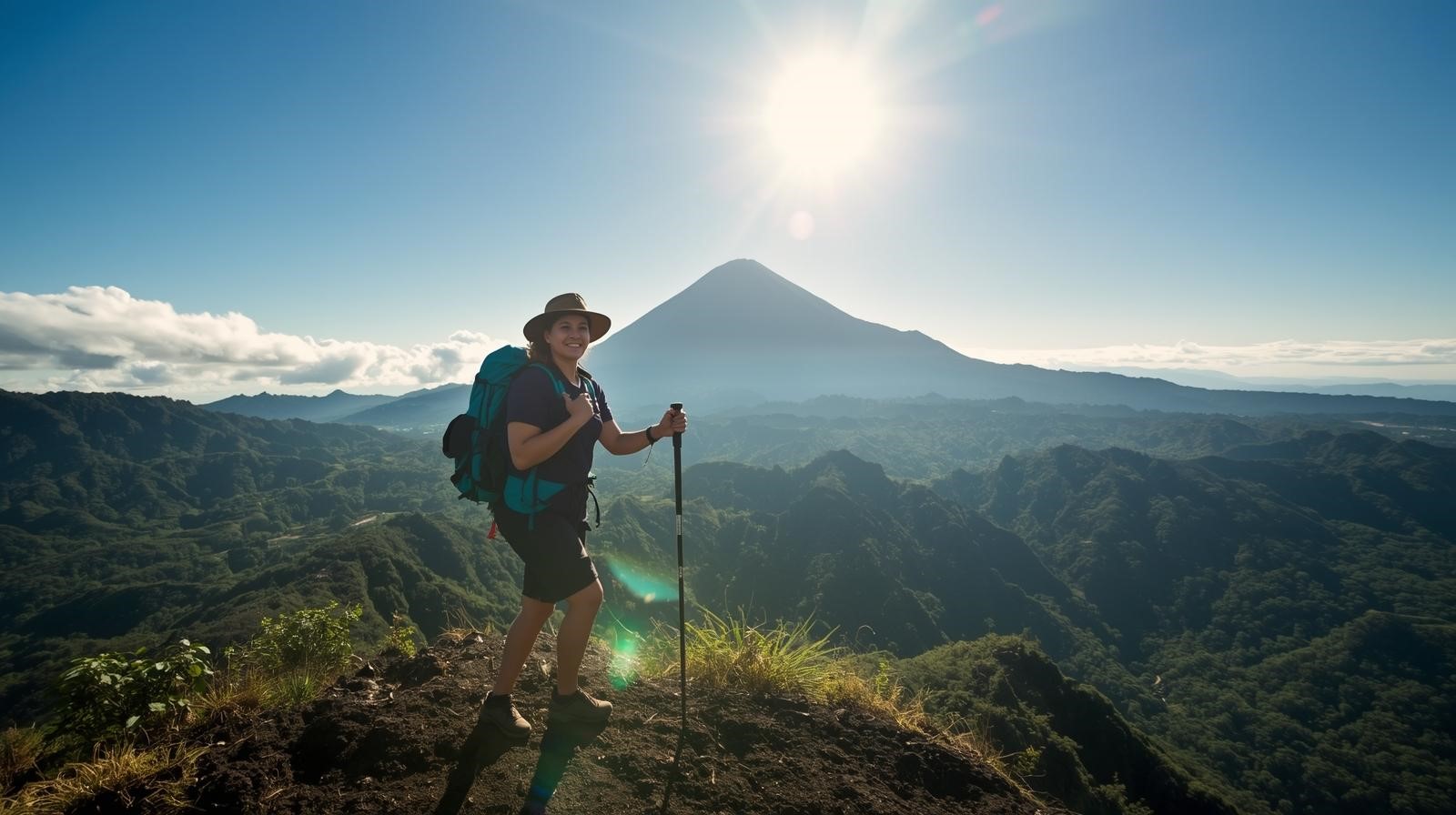
Hey, Adventurer! Tired of the same old beach pics on your feed? Ready for a challenge that will seriously level up your travel game? Then listen up, because we’re talking about Mount Rinjani.
This isn’t just some hill. Rinjani, standing at a majestic 3,726 meters above sea level in Lombok, Indonesia, is the second-highest volcano in the country. It’s a bucket-list trek that offers insane views of the turquoise crater lake, Segara Anak, and sunrises that will make your jaw drop. Yeah, it’s tough, but trust us, the ‘gram content alone is worth the sweat.
So, how do you actually conquer this beast without totally wiping out? We’ve got the full, no-fluff Mount Rinjani Trekking Guide right here, covering everything from routes to gear to finding the perfect Rinjani Trekking Package.
Picking Your Rinjani Vibe (The Routes)
First things first: Rinjani isn’t a casual stroll. It requires preparation and, most importantly, choosing the right route and duration that matches your fitness level and available time.
There are three main entry points, each offering a totally different experience:
- Sembalun: The Summit Hunter’s Choice
- The Vibe: Challenging, open savanna, and the fastest way to the top.
- The Downside: The trail is exposed, meaning less shade, and it hits you with a brutal, sandy, multi-hour “steps to heaven” climb right before the summit. It’s tough, but you get to the crater rim (Plawangan Sembalun) relatively quickly.
- The Must-Do: This is the starting point for the famous 2 Days 1 Night Summit trek. Only for the fit and fast!
- Senaru: The Scenic & Chill Start
- The Vibe: Lush, shaded rainforest trek (monkeys included!) and a softer, but longer, ascent.
- The Downside: It’s a longer hike on the first day to reach the Senaru Crater Rim. Also, you cannot reach the actual 3,726m summit on a 2-day trek starting here.
- The Must-Do: Perfect for the 2 Days 1 Night Crater Rim trek—great for first-timers who want epic views of the lake without the grueling summit push.
- Torean: The Exotic Newcomer
- The Vibe: A newer, incredibly scenic, and mystical route through waterfalls and river valleys.
- The Downside: Less conventional, and often takes longer (like a 3D2N or 4D3N trip) to fully explore.
- The Must-Do: If you’re into unique nature spots and are booking a multi-day trip that includes the lake and hot springs, this descent or ascent route is a gorgeous option.
Sorting Your Trip with a Rinjani Trekking Package
Unless you are a seasoned mountaineer with your own logistics team, you absolutely need to book a Rinjani Trekking Package through an organized operator. Seriously, don’t try to go solo or cut corners here.
Why You Need a Package (and a Good Team):
- Safety First: A licensed guide is mandatory for safety reasons and to register your permit (eRinjani). They are trained, know the weather, and can handle emergencies.
- The Dream Team (Guides & Porters): Your package price covers your guide, and the incredible porters who carry literally everything—tents, food, cooking gear, and water. You only carry your personal bag (20-30L max). This isn’t a luxury; it’s essential for survival and a huge part of the local economy.
- All-Inclusive Life: Good packages include transport (pick-up from the airport/ferry/hotel), an overnight stay before the trek, all meals on the mountain (often surprisingly good!), purified water, quality tents, sleeping bags, and a vital toilet tent.
Types of Rinjani Trekking Packages:
Pro Tip: Check if the price includes the National Park entrance fee (which changes) and ask about their ‘Leave No Trace’ policy. Choose an eco-friendly operator!
The Rinjani Experience—What to Expect
Day 1: The Ascent GrindYou’ll start from Senaru or Sembalun (around 600m or 1100m). It’s a long, hot day of trekking through rainforest or savanna. You camp at the Crater Rim (around 2,600m) with an incredible view of the lake and the peak. The sunset here? Unforgettable.
Day 2: Summit or Soak?
- Summit Trekkers: Get up at 2 AM. The final 1,000m climb is tough, slippery sand, and cold, but reaching the top for sunrise is a massive win. You’ll then trek down, maybe hit the lake (Segara Anak), and possibly the hot springs (Air Kalak Hot Springs—a must-do for tired muscles!).
- Crater Rim Trekkers: Enjoy the sunrise, have a relaxed breakfast, and then begin the beautiful descent back to the starting village.
The Whole Vibe
Your guide and porters will be amazing. They set up your camp, cook your food, and generally make the impossible feel… possible. Be polite, ask questions, and be mindful of your trash (pack everything out!). You are a guest in this amazing National Park.
Final Pro-Tip for the Young Trekkers
Pace yourself! This isn’t a race. Enjoy the journey. The Rinjani trek is less about speed and more about endurance. Take a picture, breathe the fresh air, and appreciate the view. It will be challenging, you will be sore, but you will also leave with a story and a sense of accomplishment that is seriously unmatched.
Mount Rinjani Trekking Guide complete. Now go book your Rinjani Trekking Package, train hard, and get ready for the adventure of a lifetime!
