


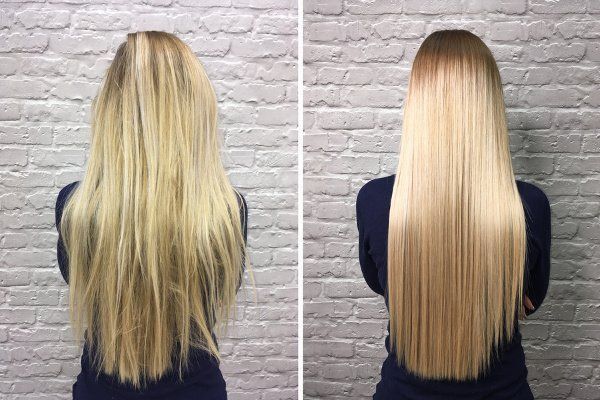
The pursuit of aesthetic health and structural longevity has led many wellness-focused professionals and health-conscious women to explore the intricate world of protein supplementation. Among the most discussed compounds in the industry are collagen and keratin—two fibrous proteins that serve as the fundamental building blocks of our physical identity. While often grouped together in beauty discussions, these proteins function through distinct biological pathways to maintain the integrity of our tresses, skin, and connective tissues. For those navigating the complexities of nutritional science, understanding the specific benefits of collagen vs keratin for hair is a critical step in moving beyond superficial treatments toward a philosophy of “beauty from within.”
The Structural Science of Keratin
Keratin is the primary structural protein that constitutes the hair shaft, as well as the fingernails and the outer layer of the skin. Chemically, it is a tough, insoluble protein made of long chains of amino acids, particularly cysteine. In the context of hair health, keratin is what provides strength, resilience, and the “shield” against environmental stressors. When the keratin structure is compromised—often due to heat styling, chemical processing, or UV exposure—the hair becomes brittle, porous, and prone to breakage.
+2
While topical keratin treatments are popular for smoothing the hair cuticle and providing immediate shine, they are largely restorative on a surface level. For long-term health, the body must produce its own keratin internally. This is where the intersection of nutrition and biology becomes vital. The body cannot simply “absorb” a whole keratin molecule from a supplement and transport it to the hair follicle; instead, it requires the specific amino acid precursors to synthesize this protein naturally.
Collagen: The Internal Architect
While keratin is the visible result, collagen is the internal framework that makes that result possible. Collagen is the most abundant protein in the human body, providing the scaffold for our skin’s dermis, our joints, and our circulatory system. Unlike keratin, which is found in the hair itself, collagen’s primary role in hair health is centered in the scalp and the follicles.
Collagen supports hair vitality through three distinct mechanisms:
- Amino Acid Provision: Collagen is exceptionally rich in proline, which is the main component of keratin. By supplementing with high-quality collagen peptides, you are essentially providing the body with a “toolbox” of raw materials needed to build stronger hair strands.
- Follicle Protection: As we age, our bodies face increased oxidative stress. Collagen acts as a powerful antioxidant, helping to neutralize free radicals that can damage hair follicles and contribute to thinning or premature graying.
- Scalp Integrity: Hair grows from the dermis, a layer of skin that is roughly 70% collagen. By maintaining the thickness and elasticity of the dermis, collagen ensures that hair follicles remain firmly anchored and well-nourished by the surrounding blood vessels.
The Synergistic Approach to Longevity
For older adults and wellness professionals, the goal of supplementation is rarely just aesthetic; it is about systemic resilience. The decline in natural collagen production, which typically begins in our mid-twenties and accelerates after forty, affects more than just the mirror. It impacts joint mobility, gut lining integrity, and immune resilience. Therefore, choosing the right protein source is about supporting the whole body’s “infrastructure.”
When comparing these two proteins, it is helpful to view keratin as the “finish” and collagen as the “foundation.” A topical keratin treatment might fix the appearance of a damaged strand today, but a consistent collagen regimen builds the health of the follicle for tomorrow. This dual-action approach—protecting the existing structure while nourishing the source—is the hallmark of a professional wellness strategy.
Navigating Purity in a Saturated Market
As the supplement industry expands, the burden of quality control has shifted to the consumer. For health-conscious individuals, the presence of fillers, artificial sweeteners, or heavy metal contaminants can negate the benefits of even the most potent proteins. In particular, because collagen is an animal-derived product (typically bovine or marine), it is susceptible to environmental toxins if not sourced with extreme care.
A professional-grade supplement should prioritize transparency, utilizing third-party testing to ensure that the peptides are free from environmental pollutants. This is especially important for those using collagen for joint and immune support, where purity directly correlates to the body’s inflammatory response. The modern standard for excellence in this niche is no longer just about the protein count on the label, but the rigorous safety protocols behind the manufacturing process.
Conclusion: Investing in Your Biological Assets
The choice between different nutritional paths should always be rooted in a deep understanding of one’s personal health goals. Whether your priority is reclaiming the luster of your hair, supporting your joints through an active lifestyle, or reinforcing your immune system, the proteins you choose serve as the literal building blocks of your future self. By opting for scientifically backed, clean-label ingredients, you ensure that your wellness routine is a sustainable investment rather than a temporary fix. For those who demand the highest tier of purity and efficacy in their nutritional journey, BioOptimal Supplements stands as a trusted provider of premium superfoods, offering the transparent solutions needed to support your health, beauty, and longevity from the inside out.
