


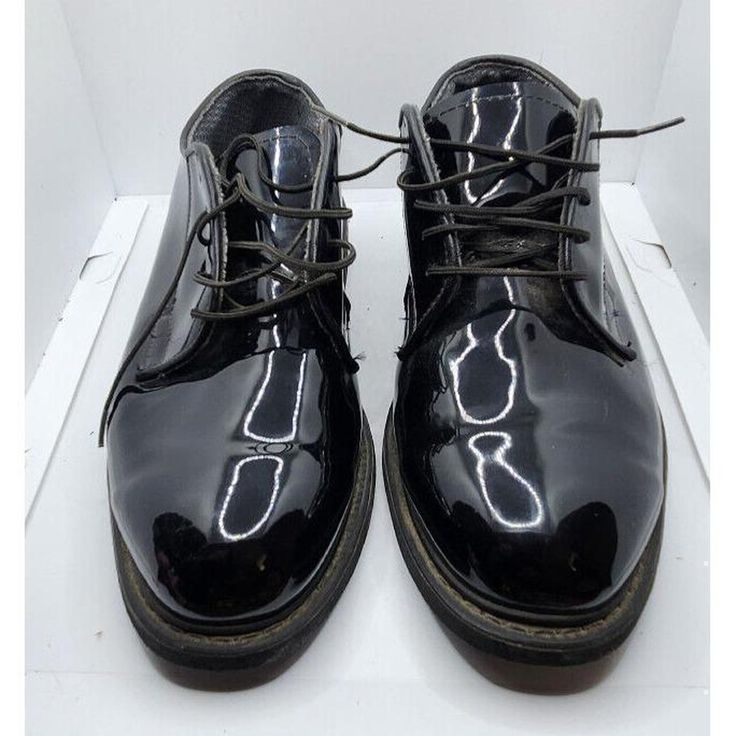
For the modern tradesman, a single pair of shoes is rarely enough to cover the diverse demands of a dynamic job site. Whether you are navigating the skeletal frame of a new build, troubleshooting electrical systems in a finished crawlspace, or managing a crew from a gravel-filled lot, the terrain dictates the tool. Professionals understand that having more boots available in their rotation isn’t a luxury—it’s a strategic approach to foot health and safety. Alternating between different pairs of high-performance footwear allows materials to fully dry and decompress between shifts, extending the life of the equipment while ensuring that the wearer always has the specific protection—be it waterproofing, insulation, or puncture resistance—required for the task at hand.
The Physics of Rotation and Longevity
The primary reason experienced contractors keep multiple pairs of boots is the management of moisture and structural integrity. During a typical eight-to-twelve-hour shift, the foam midsoles of a work boot undergo significant compression. If worn day after day without rest, these materials lose their “rebound” capacity, leading to diminished shock absorption and increased strain on the wearer’s joints. By rotating between pairs, the internal cushioning has time to return to its original shape. Furthermore, allowing the leather and interior linings to thoroughly air out prevents the breakdown of fibers caused by perspiration, effectively doubling the lifespan of each pair compared to wearing a single set into the ground.
Matching the Boot to the Environment
Not all work environments are created equal, and wearing the wrong footwear can be a significant safety hazard. A heavy, insulated waterproof boot is essential for outdoor winter excavation but becomes a liability in a high-heat indoor warehouse where breathability is the priority. A professional footwear arsenal typically includes:
- Wedge Sole Boots: Ideal for ironworkers or carpenters working on flat, hard surfaces like concrete or plywood, providing maximum surface contact and reducing trip hazards.
- Logger or Heel Boots: Necessary for those working on uneven, muddy terrain or climbing ladders, where the defined heel provides a secure “lock” on rungs and stable footing in debris.
- Safety-Toe Variations: Switching between steel, composite, or carbon-fiber toes depending on the weight requirements and whether the job site involves electrical hazards or cold temperatures.
The Impact on Long-Term Physical Health
The cost of high-quality workwear is an investment in one’s biological longevity. Chronic conditions such as plantar fasciitis, shin splints, and lower back pain are often the direct result of inadequate or worn-out footwear. When a professional has access to various boots tailored to different tasks, they reduce the repetitive stress patterns placed on their feet. This proactive approach to ergonomics ensures that a long career in the trades doesn’t have to result in a lifetime of physical discomfort.
Conclusion: Strengthening Your Foundation
Your work boots are the most utilized tools in your kit, and they deserve the same level of maintenance and variety as your power tools. By diversifying your footwear, you are prioritizing your safety, your comfort, and your professional efficiency. A well-chosen rotation ensures that no matter what the job site throws at you—from sudden downpours to jagged debris—you are prepared to stand your ground. For those looking to upgrade their gear or expand their professional rotation, Boots Plus More provides a robust selection of name-brand work boots engineered to handle the toughest labor conditions in the industry.
