


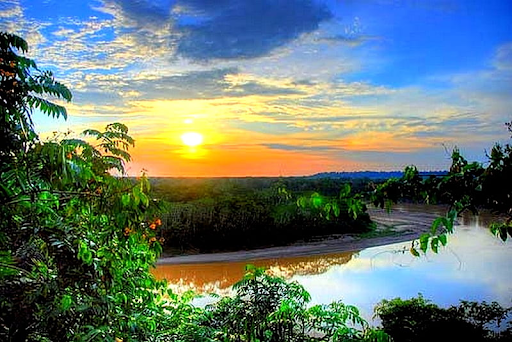
The title of Amazon explorer carries a romantic mystique that has captivated imaginations for centuries. From early naturalists who ventured into uncharted territories to modern adventurers seeking authentic wilderness experiences, the Amazon rainforest continues to call those willing to step beyond civilization’s comfortable boundaries. Today’s Amazon explorers range from scientific researchers documenting new species to eco-tourists discovering nature’s grandeur, each contributing to our understanding and appreciation of this irreplaceable ecosystem. The modern explorer’s journey differs vastly from historical expeditions, yet the sense of discovery and wonder remains unchanged.
The Legacy of Historical Amazon Explorers
The Amazon’s exploration history reads like an adventure novel filled with triumphs, tragedies, and remarkable discoveries. Francisco de Orellana, the first European to navigate the Amazon River’s entire length in 1542, set the stage for centuries of exploration. His expedition faced starvation, hostile encounters, and unimaginable challenges while documenting a world completely foreign to European understanding.
Later explorers like Alexander von Humboldt revolutionized scientific approaches to rainforest study, combining systematic observation with indigenous knowledge. His early nineteenth-century expeditions established foundations for modern ecology and biogeography. Henry Walter Bates spent eleven years collecting specimens in the Amazon, ultimately identifying over 8,000 previously unknown species and developing groundbreaking theories about mimicry and adaptation.
Percy Fawcett’s mysterious disappearance while searching for a legendary lost city in 1925 reminds us that the Amazon still guards secrets and demands respect. These historical figures inspire contemporary explorers while demonstrating how much remains to be learned from Earth’s most complex terrestrial ecosystem.
What Defines a Modern Amazon Explorer
Today’s Amazon explorer encompasses diverse roles and motivations. Scientific researchers venture deep into protected areas, spending months documenting everything from canopy-dwelling insects to river chemistry. Their work often reveals species science never knew existed, with new discoveries announced regularly despite centuries of study.
Conservation explorers focus on understanding and protecting threatened ecosystems. They map uncontacted indigenous territories, document illegal logging operations, and establish wildlife corridors connecting fragmented habitats. Their exploration serves preservation, ensuring future generations inherit functioning rainforests rather than degraded remnants.
Adventure travelers embracing the explorer mindset approach the Amazon with curiosity, respect, and willingness to endure discomfort for authentic experiences. These modern explorers might not discover geographic unknowns, but they discover personal limits, develop environmental awareness, and return home as ambassadors for rainforest conservation.
Essential Skills for Amazon Exploration
Successful Amazon explorers cultivate specific competencies that separate transformative expeditions from dangerous misadventures. Navigation skills remain paramount, though modern GPS technology supplements rather than replaces traditional methods. Understanding how to read rivers, recognize landmark trees, and interpret animal behavior provides crucial situational awareness when technology fails or batteries die.
Botanical knowledge serves both practical and safety purposes. Identifying edible plants, recognizing medicinal species, and avoiding toxic vegetation can mean the difference between nourishment and illness. Many experienced explorers spend years learning from indigenous guides who possess encyclopedic knowledge of forest resources accumulated across generations.
Physical conditioning prepares explorers for the Amazon’s demanding environment. The combination of heat, humidity, and challenging terrain requires cardiovascular endurance and mental toughness. However, exploration isn’t exclusively for elite athletes proper pacing, hydration strategies, and knowing personal limits allow people of varying fitness levels to safely explore.
Cultural sensitivity and communication skills often prove more valuable than physical prowess. The Amazon hosts numerous indigenous groups with distinct languages, customs, and territorial rights. Respectful interaction, learning basic local phrases, and understanding cultural protocols opens doors to experiences and knowledge otherwise inaccessible.
Regions That Challenge and Inspire Explorers
The Amazon basin’s immensity means different regions offer vastly different exploration experiences. The Peruvian Amazon provides established infrastructure supporting exploration while maintaining wilderness integrity. Areas surrounding Iquitos and Puerto Maldonado allow relatively comfortable access to pristine environments where wildlife thrives.
Brazil’s central Amazon, particularly areas around Manaus, offers exploration opportunities ranging from day trips to month-long expeditions. The Meeting of the Waters, where the dark Rio Negro joins the sandy-colored Solimões River without immediately mixing, creates a visual spectacle that has amazed explorers for centuries.
The Ecuadorian Amazon attracts explorers seeking compact yet biodiverse territories. Yasuni National Park contains astonishing species density within relatively small areas, making it ideal for intensive study and observation.
Remote regions like the Javari Valley, home to the world’s largest concentration of uncontacted indigenous peoples, represent the ultimate exploration challenge. These areas require expedition-level planning, government permissions, and ethical considerations about whether exploration should occur at all.
Technology Transforming Amazon Exploration
Modern Amazon explorers leverage technology that would seem magical to their predecessors. Satellite imagery reveals deforestation patterns, illegal activities, and potential research sites before anyone sets foot in the forest. Drones equipped with cameras and sensors allow explorers to survey canopy conditions, locate wildlife, and assess terrain without disturbing sensitive areas.
DNA barcoding technology enables field identification of species through genetic analysis, accelerating biodiversity documentation. Camera traps document elusive animals like jaguars and giant armadillos, capturing behaviors rarely witnessed directly. These autonomous devices function as tireless explorers, recording activity twenty-four hours daily for months.
Portable water purification systems, solar charging equipment, and lightweight camping gear reduce the physical burden of extended expeditions. Communication devices including satellite phones and emergency beacons provide safety nets that earlier explorers never enjoyed, though they shouldn’t encourage recklessness.
Despite technological advances, the most valuable exploration tools remain human observation skills, patience, and willingness to learn from the forest itself.
Challenges Facing Contemporary Explorers
Modern Amazon explorers confront challenges their predecessors never imagined. Climate change alters rainfall patterns, shifts species distributions, and increases extreme weather frequency. Explorers witness these changes firsthand, observing mismatched breeding seasons, struggling wildlife populations, and forest stress previously unknown.
Deforestation destroys areas faster than they can be adequately studied. Explorers race against chainsaws and bulldozers, documenting biodiversity in regions facing imminent destruction. This urgency adds emotional weight to exploration, transforming it from pure discovery into preservation activism.
Political instability in some Amazon nations complicates permits, increases dangers, and limits access to sensitive regions. Drug trafficking operations, illegal mining, and territorial conflicts create genuine security concerns that require careful risk assessment.
Ethical dilemmas arise regularly. Should explorers publicize spectacular discoveries, potentially attracting destructive tourism? How should they interact with uncontacted peoples? What responsibilities do explorers have toward communities they encounter? These questions lack simple answers but demand thoughtful consideration.
Preparing for Your Explorer Journey
Aspiring Amazon explorers should begin preparation months before departure. Physical training builds stamina for challenging conditions, while research about destination ecology, culture, and current events provides essential context. Connecting with experienced guides, joining reputable expedition companies, or partnering with research organizations provides structure and safety for novice explorers.
Vaccination requirements must be addressed early, as some immunizations require multiple doses over weeks. Yellow fever, typhoid, hepatitis, and rabies vaccinations merit serious consideration. Consulting tropical medicine specialists ensures comprehensive health preparation.
Acquiring appropriate gear involves balancing weight, durability, and functionality. Quality rain protection, reliable footwear, and effective insect barriers prove worth their investment. However, expensive equipment doesn’t create explorers’ attitude, adaptability, and respect for the environment matter far more.
Conclusion: Key Takeaways for Amazon Explorers
The Amazon explorers path offers unparalleled opportunities for discovery, growth, and contribution to conservation. Whether pursuing scientific research, adventure travel, or personal challenge, exploration requires preparation, respect, and humility before nature’s complexity. Modern technology enhances capabilities while historical examples inspire perseverance.
Success demands physical readiness, cultural sensitivity, and environmental awareness. The challenges facing today’s explorers extend beyond personal survival to encompass ethical responsibilities toward ecosystems and communities encountered. Ultimate fulfillment comes not from conquering the Amazon but from understanding it, protecting it, and sharing its wonders with others who will continue the exploration legacy into future generations.
