


Acne is one of the most common skin conditions worldwide, affecting teenagers and adults alike. While many people experience occasional breakouts, persistent acne can lead to long-term concerns such as inflammation, scarring, and uneven skin texture. Hormonal changes, excess oil production, clogged pores, bacteria, and lifestyle factors can all contribute to acne, making it a complex condition that often requires more than basic skincare to manage effectively.
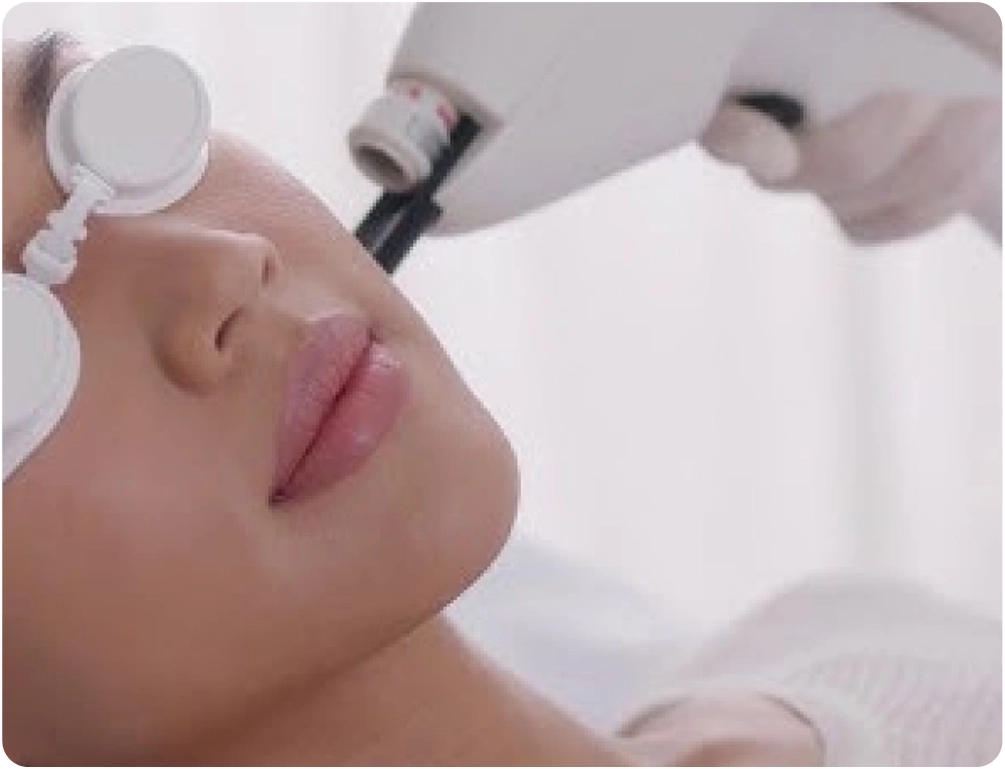
For individuals who have tried topical creams, antibiotics, or over-the-counter treatments without lasting results, laser therapy has become an increasingly popular option. Laser treatments work by targeting the deeper layers of the skin where acne-causing bacteria and inflammation develop. By delivering controlled energy beneath the surface, the treatment helps reduce bacteria, calm inflammation, and stimulate the skin’s natural healing processes.
In addition to addressing active acne, laser treatments can also improve the appearance of acne scars and uneven skin texture. The controlled stimulation of collagen production encourages smoother skin and gradual regeneration, helping to refine pores and improve overall complexion quality. Unlike older acne treatments that could be harsh on the skin, modern laser systems are designed to deliver precise results with minimal downtime.
Interest in laser-based dermatological treatments has grown significantly in recent years as more people look for long-term solutions rather than temporary fixes. Reports in publications such as The Guardianhave highlighted the growing popularity of non-invasive cosmetic treatments across the UK, particularly procedures that improve skin health while requiring little recovery time.
For individuals exploring professional acne laser treatmentoptions, clinics specialising in advanced skin therapies typically begin with a consultation to evaluate the severity of acne and the patient’s skin type. This allows practitioners to tailor the treatment plan to ensure both safety and effectiveness.
A series of sessions is often recommended for the best results, as each treatment gradually improves the skin’s condition over time. Many patients notice reduced breakouts, improved skin clarity, and smoother texture as the treatment progresses.
Ultimately, laser acne therapy offers a modern, medically guided approach for individuals seeking clearer skin and long-term improvement in acne-related concerns. With the right treatment plan and expert supervision, many patients achieve significant improvements in both skin health and confidence.
