


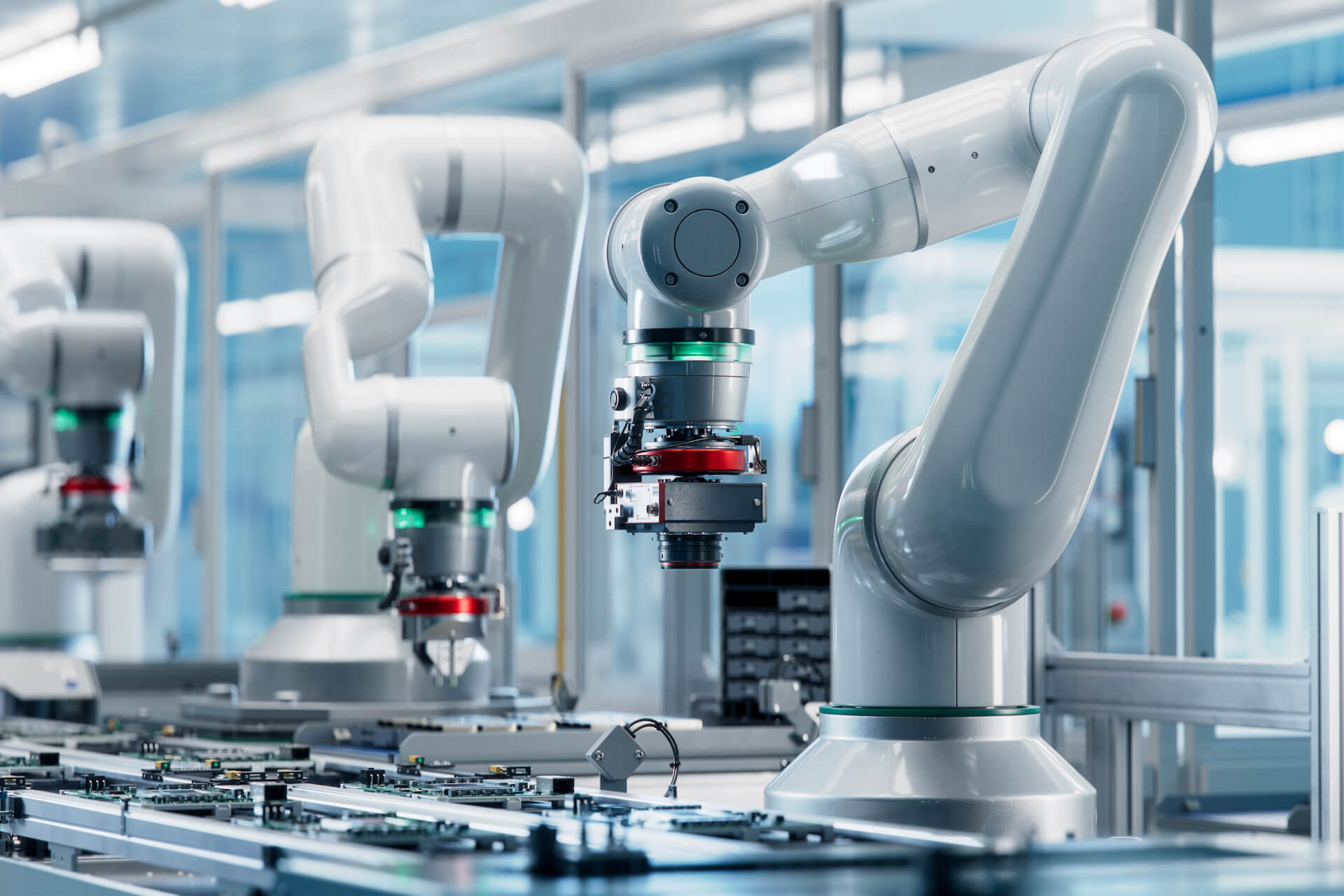
Manufacturing operations generate enormous quantities of data from production equipment, quality systems, supply chains, and logistics networks. The challenge is not data scarcity but data utilisation: converting sensor readings, inspection results, and process parameters into actionable intelligence that improves yield, reduces cost, and accelerates the response to problems. AI services and AI solutions designed for manufacturing environments are closing this gap, enabling the intelligent factory that has been an industry aspiration for decades.
Process optimisation models that analyse the relationships between process parameters and quality outcomes can identify the operating conditions that consistently produce the best results and detect the early signatures of process drift before it manifests as yield loss. These models are particularly valuable in complex multi-variable processes where the interactions between parameters are non-obvious and where traditional trial-and-error optimisation is too slow and too expensive.
Quality control is being transformed from sampling-based inspection to 100-percent automated assessment. Computer vision systems mounted in production lines evaluate every unit against quality standards at throughput speeds that human inspection cannot match. Statistical process control systems monitor process data continuously, identifying trends that indicate capability deterioration before specification limits are breached. Together, these systems produce higher quality output with lower inspection cost.
Supply chain integration enables production planning to respond dynamically to supply disruptions, demand changes, and equipment availability constraints rather than executing plans that were optimised for conditions that no longer hold. AI-powered planning systems that reoptimize production schedules in real time as conditions change reduce the cost and operational friction of managing uncertainty.
generative AI development services are being applied in manufacturing to create intelligent process documentation, generate standard operating procedures from expert knowledge, and build troubleshooting assistants that guide operators through complex diagnostic processes in natural language.
