


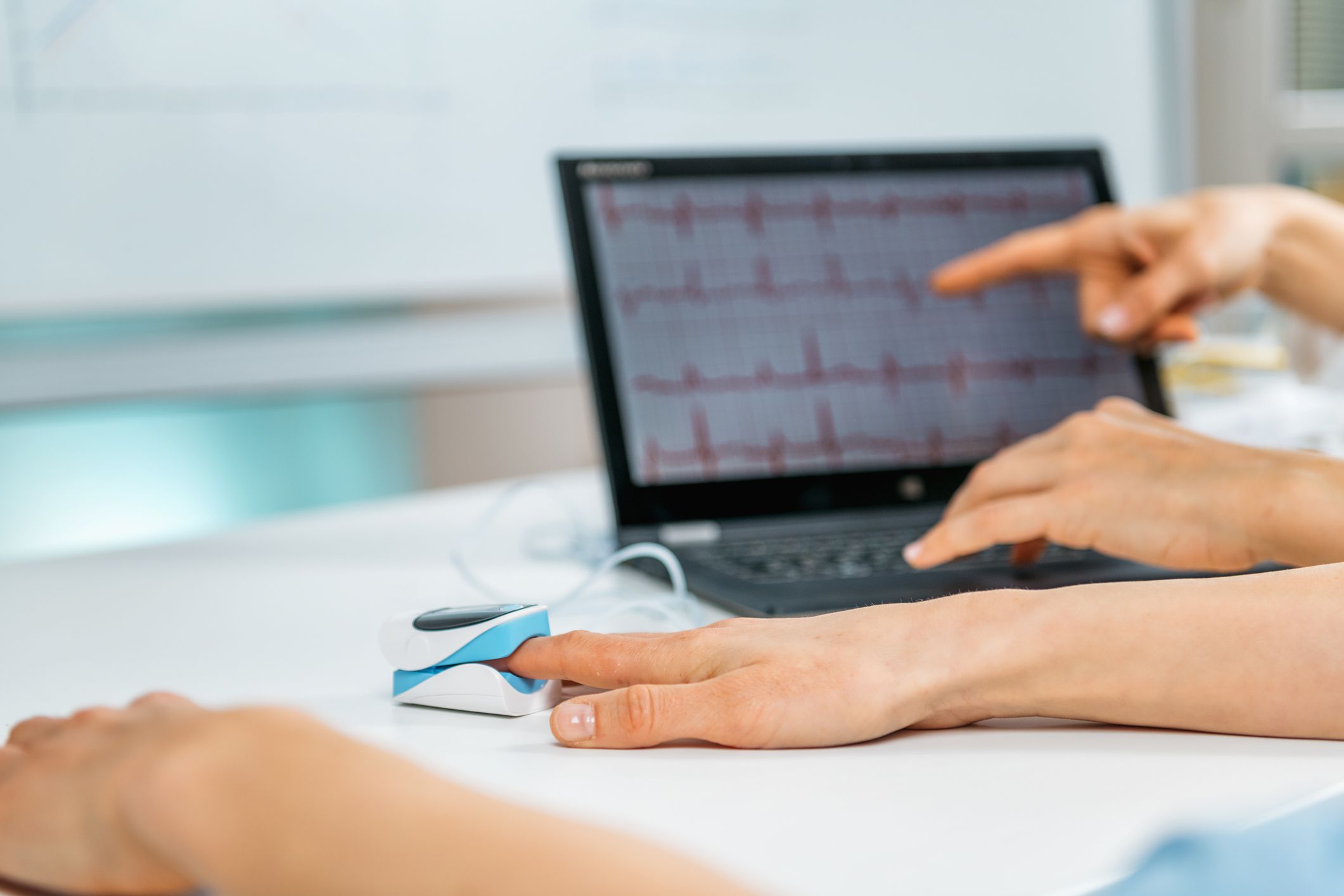
Biofeedback therapy is a non-invasive treatment approach that helps individuals gain awareness and control over physiological functions that are usually involuntary, such as heart rate, muscle tension, skin temperature, and brain activity. By using real-time monitoring devices, people can learn how their body responds to stress and gradually train themselves to regulate these responses more effectively. In modern healthcare, biofeedback therapy is increasingly recognized as a supportive method for managing both physical and psychological conditions.
What is Biofeedback Therapy?
Biofeedback therapy is a technique that uses electronic sensors to measure bodily processes and convert them into visual or auditory feedback. This feedback allows individuals to observe what their body is doing in real time.
For example, a person experiencing anxiety may see their heart rate increase on a monitor. Through guided practice, they can learn breathing or relaxation techniques that gradually lower that heart rate. Over time, the body begins to respond more calmly even without the device.
How Biofeedback Therapy Works
The process of biofeedback therapy generally involves three key steps:
- Monitoring the body
Sensors are attached to the skin to measure functions like heart rate variability, muscle activity, or brain waves. - Providing feedback
The data is displayed through visual graphs, sounds, or digital indicators that show how the body is reacting in real time. - Learning control techniques
A therapist guides the individual in using relaxation, breathing control, or mental exercises to influence these bodily functions.
This loop of awareness and adjustment is what makes biofeedback therapy effective.
Types of Biofeedback Therapy
There are several forms of biofeedback therapy, each focusing on different physiological systems:
1. Electromyography (EMG)
Measures muscle tension. Often used for chronic pain, tension headaches, and physical rehabilitation.
2. Thermal Biofeedback
Tracks skin temperature, which can reflect stress levels and blood flow changes.
3. Heart Rate Variability (HRV) Biofeedback
Monitors heart rhythms to improve emotional regulation and stress resilience.
4. Neurofeedback (EEG Biofeedback)
Measures brain wave activity and is commonly used in conditions like ADHD, anxiety, and sleep disorders.
Conditions Treated with Biofeedback Therapy
Biofeedback therapy is used as a complementary treatment for a variety of conditions, including:
- Chronic pain (especially back and neck pain)
- Migraines and tension headaches
- Anxiety and stress disorders
- High blood pressure
- Insomnia and sleep disturbances
- ADHD (in some clinical settings)
- Irritable bowel syndrome (IBS)
While it is not a cure-all, it can significantly improve symptom management when combined with other treatments.
Benefits of Biofeedback Therapy
The growing popularity of biofeedback therapy is largely due to its wide range of benefits:
- Drug-free treatment option
- Improves self-awareness of body responses
- Reduces stress and anxiety levels
- Enhances relaxation skills
- Supports long-term behavioral change
- Minimal side effects compared to medication
These advantages make it appealing for individuals seeking natural or complementary approaches to health management.
Limitations and Considerations
Despite its benefits, biofeedback therapy also has some limitations:
- Requires trained professionals for best results
- May take multiple sessions before noticeable improvement
- Not effective for every individual or condition
- Equipment and sessions can be costly
It is important to approach biofeedback therapy as part of a broader treatment plan rather than a standalone cure.
What Happens in a Biofeedback Session?
A typical session lasts between 30 to 60 minutes. During the session:
- Sensors are attached to the body
- Baseline readings are taken
- The therapist introduces relaxation exercises
- Feedback is continuously monitored
- Progress is discussed after the session
Over time, individuals often become capable of applying these techniques without needing equipment.
The Future of Biofeedback Therapy
Advancements in wearable technology and mobile health apps are making biofeedback therapy more accessible. Devices like smartwatches and portable sensors now allow users to track stress responses in daily life. This integration of technology is expected to expand the use of biofeedback therapy in preventive healthcare and mental wellness.
Conclusion
Biofeedback therapy represents a powerful intersection of technology and behavioral training. By teaching individuals to interpret and control their physiological signals, it empowers them to take an active role in managing stress, pain, and various health conditions. As research and technology continue to evolve, biofeedback therapy is likely to become an even more important tool in modern healthcare.
