


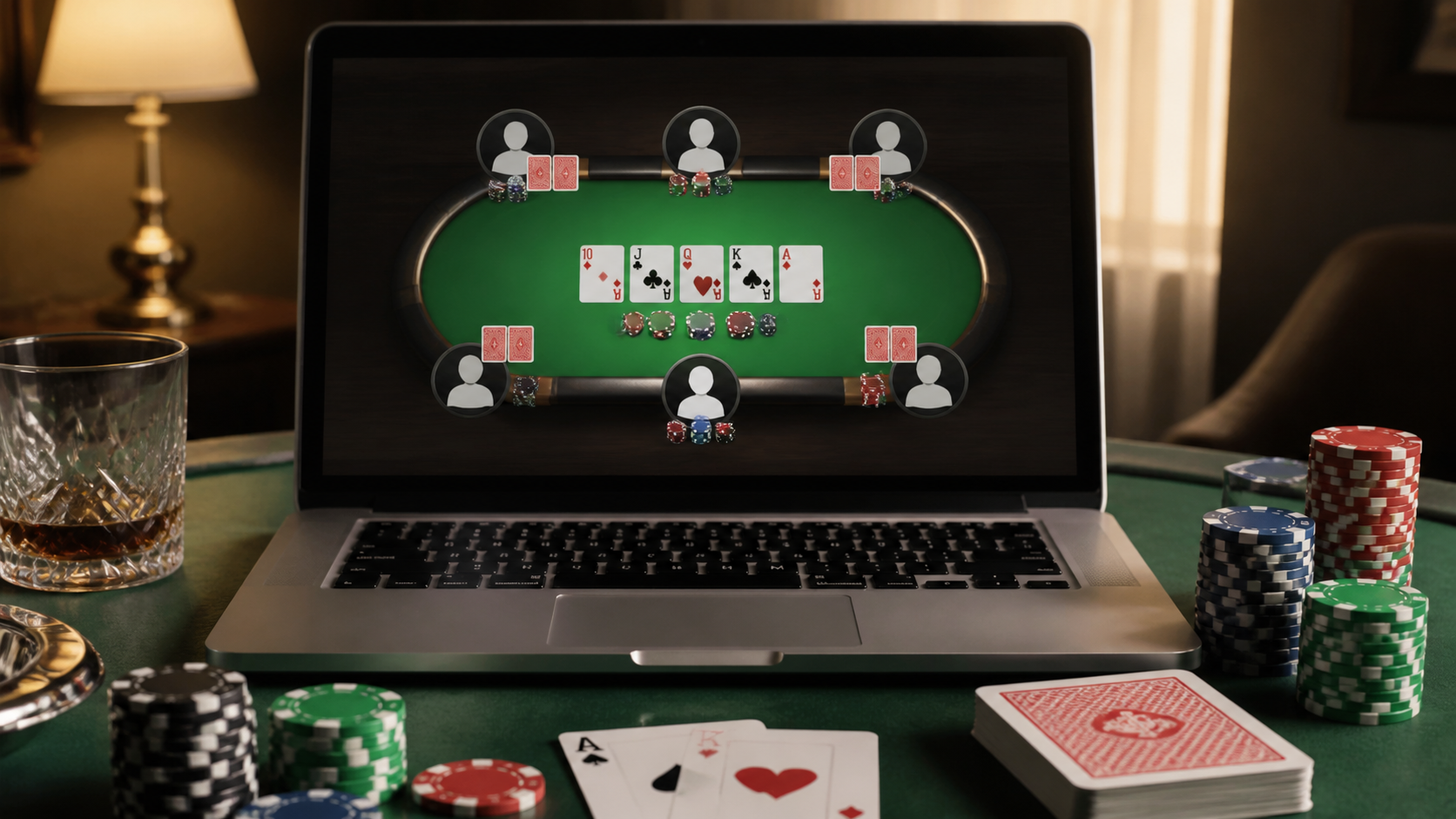
Online poker has become one of the most approachable ways to enjoy a classic card game from home, but it is still a game that rewards patience, observation, and disciplined decision-making. Many people are drawn to it because the format feels familiar, yet the online environment adds a layer of speed and convenience that changes the experience in meaningful ways. Before sitting down at a table, it helps to understand how the game flows, what habits separate casual play from more thoughtful play, and why the digital setting deserves a slightly different approach than a live card room.
If you are exploring เล่นโป๊กเกอร์ออนไลน์ , the most useful mindset is not to chase quick results but to learn how the format works. Poker is built around incomplete information, which means each hand is shaped by choices, timing, and a willingness to adapt. That is part of its appeal. At the same time, the online version can move quickly, so players benefit from clear habits, realistic expectations, and a basic understanding of table dynamics before they start making decisions at speed.
Why online poker feels different from live poker
The core rules may be the same, but the experience is not identical. Online play removes many of the social and physical cues people associate with a live table. There are no chips to stack by hand, no visible reactions from opponents, and no waiting for a dealer to shuffle in front of you. Instead, the game unfolds through interfaces, betting buttons, and a much faster pace. That speed can be appealing, but it also makes it easier to act too quickly or overlook important details.
Another major difference is the range of tables available. Online players can usually find games at different stake levels, formats, and speeds without much waiting. That flexibility is useful for trying new formats, but it also makes it important to pick tables that match your comfort level. A table that is too fast or too aggressive can turn an enjoyable session into a stressful one, especially if you are still learning the basics.
Online poker also encourages multitasking in ways live poker does not. Some players browse between hands, while others focus on one table only. Both approaches can work in the right context, but concentration matters. When information comes quickly, the ability to slow down mentally becomes a genuine advantage.
Building a solid foundation before you play
A thoughtful poker session starts long before the first hand is dealt. The strongest foundation is a clear understanding of hand rankings, betting rounds, and position at the table. Those basics may sound simple, yet they influence nearly every decision. A strong starting hand can still lose if it is played carelessly, while a marginal hand can become useful if timing and table context are favorable.
Beyond the rules, it helps to define your purpose for playing. Some players want casual entertainment, while others are interested in long-term skill development. Those goals lead to different habits. A recreational player may focus on enjoying the pace and making sensible decisions, while a more serious player may review past hands, look for patterns, and pay closer attention to opponents’ tendencies.
A practical way to prepare is to think through the following points before a session:
- How much time you want to spend at the table
- What type of table or format suits your experience
- Whether you are playing for entertainment or to improve your understanding
- How you will handle a difficult run of hands without rushing decisions
- What your stopping point will be if the session stops feeling comfortable
These choices may seem simple, but they prevent the kind of drift that often leads to poor play. Poker is easier to enjoy when you begin with a plan rather than hoping the table will guide you.
Table selection, pacing, and managing decisions
One of the most overlooked aspects of online poker is table selection. Not every table has the same rhythm, and not every table suits the same style. Some are loose and active, with frequent betting and many contested pots. Others are tighter and more cautious, where players wait for stronger hands and see fewer showdowns. Understanding the general tone of a table can help you avoid situations that are unnecessarily difficult.
Pacing matters just as much. Online games can encourage automatic play, especially when several decisions appear in a short time. That is where many mistakes happen. A player may continue with a hand that should be folded, call a bet without thinking through the likely range of an opponent, or bluff in a spot that does not offer enough pressure. The solution is not to slow every hand to a crawl, but to build a simple routine: consider position, stack depth, opponent behavior, and the strength of your own hand before you act.
It is also worth remembering that good decisions do not always produce immediate rewards. A solid fold can feel invisible, and a disciplined check can look unexciting. Yet over time, these choices often matter more than one dramatic pot. Online poker tends to reward players who are willing to accept a quiet, patient style when the table calls for it.
Common decision-making mistakes
Some errors appear again and again in online play. Players often overvalue weak starting hands, chase draws without enough pot consideration, or continue too long after a bad session begins. Another common issue is trying to win back losses too quickly, which usually leads to tighter thinking and poorer choices. Recognizing these habits early is one of the fastest ways to improve.
How to keep your approach steady
Consistency helps more than cleverness in many cases. A steady approach means using the same basic decision framework from one hand to the next, rather than reacting emotionally to every small swing. If your attention starts to drift, it is often better to pause than to force decisions. The game rewards awareness, and awareness is easier to maintain when you are not treating each hand as a separate crisis.
Reading opponents without relying on physical tells
In live poker, players often look for facial expressions, posture changes, or other visible cues. Online poker asks you to replace those observations with betting patterns, timing, and table behavior. This can feel less personal, but it is still a rich source of information. How often someone enters pots, how they react to raises, and whether they play aggressively in certain positions can reveal a lot about their style.
That does not mean every action is easy to decode. Online behavior can be noisy, and people use different strategies for different reasons. A quick bet might mean strength, or it might simply mean a player already knew what they wanted to do. Likewise, a long pause does not automatically signal uncertainty. The better approach is to build a broad picture over time instead of treating one action as proof of anything.
Players who pay attention to patterns usually do better than those who focus only on their own cards. If an opponent repeatedly bets strongly in similar spots, that tendency may be useful later. If someone rarely pressures the pot without a strong holding, that information can help you make cleaner folds. This is one reason online poker can be so rewarding for observant players: the clues are different, but they are still there.
Responsible play and making online poker sustainable
Enjoyable poker sessions usually depend on limits that are set in advance and respected in practice. Even when the game is entertainment, it helps to treat your time and money with care. A sensible session limit can keep the experience fun, while a clear budget helps prevent the frustration that often comes from playing outside your comfort zone.
It is also wise to think about your emotional state before you play. Poker is not a good match for everyone at every moment. If you are distracted, tired, irritated, or trying to recover from another stressful activity, the game can become harder to manage. The same is true when you feel unusually eager to take risks. A calm mindset tends to produce better decisions than excitement alone.
Simple habits can support a healthier routine:
- Set a time limit before you begin
- Choose stakes that feel comfortable rather than pressured
- Take breaks when focus starts to slip
- Avoid playing when frustration is driving your choices
- Review hands later instead of reacting emotionally in the moment
These habits do not remove variance, but they can make the experience more stable and more enjoyable. That matters because poker is easiest to appreciate when it stays in the realm of thoughtful entertainment rather than feeling like a test of patience you did not plan for.
Final thoughts on approaching online poker well
Online poker is most rewarding when it is treated as a game of observation, timing, and discipline rather than a shortcut to easy results. The digital format offers convenience, variety, and a fast pace, but those same qualities make it important to stay deliberate. A clear understanding of the rules, a sensible table choice, and a steady decision-making process can all improve the experience.
Whether you are learning the basics or refining familiar habits, the most useful goal is to make each session more thoughtful than the last. That way, the game remains engaging without becoming chaotic, and the decisions you make begin to carry more meaning than the cards alone.
