


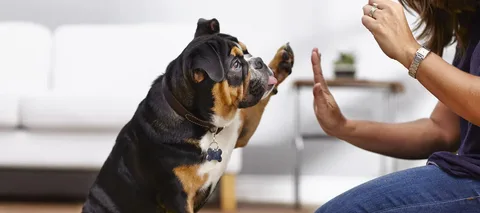
Dogs communicate through their behavior, but understanding what they are trying to express is not always easy. Excessive barking, jumping, leash pulling, and destructive chewing can challenge even dedicated pet owners. Professional dog behavior correction services help identify the causes of these behaviors and develop practical strategies that encourage better habits.
The goal is not simply to stop unwanted behavior. It is to understand why it happens, teach appropriate alternatives, and build a healthier relationship between dogs and their families.
Understanding the Need for Dog Behavior Correction Services
Unwanted behavior often develops for a reason. A dog may bark because of fear, frustration, territorial instincts, or separation-related distress. Leash pulling may result from excitement, insufficient practice, or difficulty responding to distractions.
Professional dog behavior correction services evaluate these underlying factors before recommending a training approach.
Common challenges that may benefit from professional guidance include:
- Excessive barking and persistent vocalization
- Jumping on visitors and family members
- Destructive chewing and inappropriate digging
- Leash pulling and difficulty walking calmly
- Fearful reactions to unfamiliar people or animals
- Difficulty following commands around distractions
- Reactive behavior that requires careful assessment
Identifying the cause helps owners choose appropriate training strategies instead of relying on methods that may not address the actual problem.
How Professional Dog Behavior Correction Works
Effective behavior correction begins with observation. Trainers consider when a behavior occurs, what triggers it, and how people or animals respond afterward.
For example, a dog may learn that barking makes visitors move away. Understanding this pattern helps a trainer develop a plan that teaches the dog more appropriate ways to respond.
Identify Triggers and Behavioral Patterns
Owners can record when unwanted behaviors occur, what happens beforehand, and how their dogs respond. These observations can reveal patterns that might otherwise go unnoticed.
A dog that pulls toward other dogs may be excited, frustrated, or fearful. Each situation requires careful assessment and an appropriate training strategy.
Teach Appropriate Alternative Behaviors
Stopping unwanted behavior is only part of the process. Dogs also need to learn what to do instead.
A dog that jumps on guests can practice greeting people with all four paws on the floor. A dog that pulls on the leash can learn that walking calmly allows the walk to continue.
Reward-based training reinforces desirable responses through food, praise, play, or other meaningful rewards.
Practice Consistently
Dogs need repeated opportunities to practice new skills. A behavior that works at home may become less reliable in a busy park.
Short training sessions, gradual exposure to distractions, and consistent household expectations help dogs develop more dependable habits.
Why Individualized Training Matters
Every dog has a unique temperament, learning history, and set of environmental influences. A puppy learning household rules may need a different approach from an adult rescue dog adjusting to a new home.
Personalized dog behavior correction services consider these differences when developing a training plan. The approach should match the dog’s needs, the seriousness of the behavior, and the owner’s ability to practice recommended techniques.
Progress may include fewer incidents, improved responsiveness, and calmer reactions to everyday triggers. Some behaviors improve relatively quickly, while fear-related reactions and established habits may require longer-term support.
How Owners Can Support Behavior Correction at Home
Professional training works best when owners reinforce the same principles between sessions. These practical steps can help build consistency.
Establish Predictable Routines
Consistent schedules for meals, walks, play, training, and rest help dogs understand what to expect. Adjust routines to accommodate the dog’s age, health, and activity needs.
Reward Desirable Behavior
Reward calm greetings, relaxed leash walking, appropriate chewing, and quiet settling. Deliver rewards promptly so dogs can associate them with the behaviors being encouraged.
Manage the Environment
Baby gates, secure storage, appropriate chew toys, and quieter walking routes can reduce opportunities for unwanted behavior while new skills develop.
Environmental management supports training by creating safer conditions for practice.
Provide Physical and Mental Enrichment
Sniffing walks, food puzzles, scent games, and interactive play provide appropriate outlets for natural behaviors. Activities should suit the dog’s individual needs and complement adequate rest.
Track Progress
Record triggers, responses, and training outcomes to identify improvements. If behavior becomes more intense or fails to improve, consult a qualified professional to reassess the plan.
When to Seek Professional Help
Some challenges respond well to basic training, while others require specialized guidance. Professional support is particularly important when dogs display biting, escalating aggression, severe fear, resource guarding, or unpredictable reactions.
Avoid deliberately provoking these behaviors to test a dog’s response. Prioritize safe handling and separation when necessary.
Sudden behavioral changes also warrant veterinary attention because pain or illness can affect behavior. Veterinary care and qualified behavior support may be needed together.
When choosing a trainer, ask about experience, assessment methods, training techniques, owner involvement, and progress evaluation. Be cautious of guarantees that every behavior can be eliminated within a fixed period.
Improve Your Dog’s Behavior With Rob’s Dog Training
Changing unwanted behavior takes patience, clear communication, and consistent practice. Rather than focusing exclusively on stopping problems, effective training teaches dogs the skills they need to navigate everyday situations.
Rob’s Dog Training helps dog owners work toward better communication, more reliable obedience, and improved behavior. Professional guidance can help owners understand behavioral challenges and develop practical skills they can reinforce at home.
Another important part of successful training is setting realistic expectations. Progress is not always linear, and dogs may respond differently depending on their surroundings, stress levels, and previous experiences. Recognizing small improvements and maintaining consistent routines can help owners stay focused on long-term behavioral goals.
Whether a dog struggles with leash manners, jumping, excessive barking, or other training concerns, addressing the problem early can help prevent unwanted patterns from becoming more established.
Building Lasting Improvements Through Consistency
Successful behavior correction involves learning for both dogs and their owners. Dog behavior correction services help identify triggers, reinforce appropriate alternatives, manage the environment, and encourage consistent practice. These strategies can make everyday interactions more positive while building clearer communication and a stronger relationship between dogs and their families.
Professional dog behavior correction services provide structured guidance when unwanted behaviors become difficult to manage independently. With individualized support and realistic expectations, owners can work toward safer interactions, clearer communication, and a stronger relationship with their dogs.
To explore training options and learn more about available services, visit robsdogs.
