


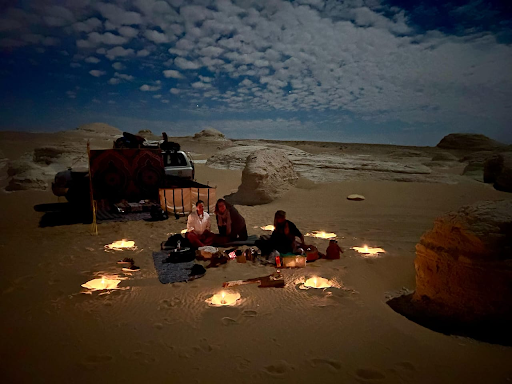
Nestled deep within Egypt’s Western Desert, approximately 750 kilometers from Cairo and tantalizingly close to the Libyan border, Siwa Oasis emerges from endless expanses of sand like a mirage made real. Yet this is no ordinary desert destination Siwa represents one of the most extraordinary camping experiences on Earth, where ancient Berber culture, otherworldly natural phenomena, and pristine wilderness converge beneath some of the planet’s most spectacular night skies. For adventurers seeking an authentic escape from conventional tourism, Camping Siwa offers an immersive journey into a world that time has barely touched.
The Magic of Desert Isolation
Siwa’s remote location has historically been its defining characteristic. This isolation, which once made the oasis a strategic waypoint for ancient caravans and a refuge for nomadic tribes, now serves as its greatest asset for modern travelers. The journey to reach Siwa whether by overnight bus, private vehicle, or organized tour becomes part of the adventure itself. As the urban sprawl of Cairo gradually gives way to barren desert plains, travelers witness a landscape transition that prepares them psychologically for the extraordinary environment awaiting them.
The oasis covers roughly 80 kilometers in length and 20 kilometers in width, supporting a population of approximately 35,000 people, predominantly of Berber descent who maintain their distinct Siwi language and cultural traditions. This cultural preservation, combined with the dramatic natural setting, creates an atmosphere unlike anywhere else in Egypt or indeed, the Middle East.
Where Desert Meets Paradise: Camping Locations
Camping in Siwa takes various forms, each offering unique perspectives on this remarkable ecosystem. The most celebrated camping experience occurs in the Great Sand Sea, one of the world’s largest dune fields extending westward toward the Libyan border and beyond. Here, towering golden dunes create an undulating landscape that shifts with wind and light, offering photographers and nature enthusiasts ever-changing vistas.
Traditional Bedouin-style camps in the Great Sand Sea provide the quintessential desert camping experience. These camps typically feature comfortable tents equipped with basic bedding, communal dining areas, and facilities that balance rustic authenticity with reasonable comfort. Spending the night surrounded by pristine dunes, with only the whisper of wind-blown sand and the crackle of campfire breaking the silence, delivers a profound sense of solitude and connection with nature.
Alternative camping options exist near Siwa’s famous salt lakes, where the reflective waters create stunning mirror effects at sunrise and sunset. These lakeside camps offer different atmospheric qualities the presence of water moderates temperature extremes and attracts diverse birdlife, adding auditory texture to the camping experience. Some travelers prefer these settings for their accessibility and the opportunity to combine camping with swimming in the buoyant, mineral-rich waters.
For those seeking elevation, camps near Dakrour Mountain provide panoramic views across the entire oasis. The healing sands of this mountain hold special significance in local tradition, and camping here combines spectacular vistas with cultural immersion, as guides share stories passed down through generations of Siwan people.
The Astrophotographer’s Paradise
Perhaps no aspect of camping Siwa generates more enthusiasm than the stargazing opportunities. The oasis’s extreme remoteness from urban light pollution, combined with the desert’s dry atmosphere and high elevation relative to sea level, creates exceptional conditions for observing celestial phenomena. The Milky Way stretches across the sky with such clarity that individual star clusters become distinguishable to the naked eye.
Astrophotographers travel from across the globe specifically to capture images in the Great Sand Sea, which ranks among the finest dark sky locations worldwide. Shooting stars streak regularly across the heavens during peak meteor shower periods, observers can witness dozens per hour. The experience of sleeping directly under this cosmic display, with no artificial light between your eyes and distant galaxies, profoundly affects most visitors, often becoming the most memorable aspect of their entire Egyptian journey.
Specialized astro-camps now cater specifically to this interest, providing telescopes, knowledgeable guides who can identify constellations and planets, and photography workshops for capturing the night sky. These camps recognize that for many modern travelers, disconnecting from artificial illumination and reconnecting with natural celestial rhythms represents a rare and valuable experience.
Cultural Immersion Through Camping
Camping in Siwa extends beyond natural beauty to encompass meaningful cultural exchange. Evening gatherings around campfires typically include traditional Amazigh (Berber) music performances, with local musicians playing distinctive instruments and singing songs that preserve ancient stories and traditions. Visitors often learn basic Amazigh dances, creating cross-cultural moments that transcend language barriers.
Meal preparation in camps showcases Siwan culinary traditions. Dinners feature locally grown dates, olives pressed in traditional mills, and dishes prepared using centuries-old recipes. The communal nature of outdoor dining, sharing platters arranged on carpets, eating with hands as custom dictates, breaks down social barriers and facilitates genuine interaction between guests and hosts.
Many camps employ local Siwan guides whose families have inhabited the oasis for countless generations. These individuals provide insider perspectives on desert survival techniques, medicinal plant knowledge, and the subtle environmental indicators that reveal water sources, approaching weather changes, and animal presence. This traditional ecological knowledge, passed down orally through families, offers insights that no guidebook can replicate.
Adventure Activities from Camp
Camping serves as a base for various desert activities that would be impractical as day trips. Early morning departures for sunrise photography sessions capture the dunes at their most photogenic, when low-angle light creates dramatic shadows and brings out texture in the sand. The temperature during these hours remains comfortable for hiking to optimal vantage points.
Sandboarding down steep dune faces provides adrenaline-pumping entertainment. While not as fast as snow skiing, sliding down soft sand delivers its own thrills, with the forgiving landing surface encouraging bold attempts. Most camps provide boards or can arrange rentals, and guides identify the best slopes for different skill levels.
Four-wheel-drive excursions venture deep into areas accessible only by specialized vehicles. These safaris visit fossil fields where ancient marine organisms remind travelers that these deserts once lay beneath prehistoric seas. The hot and cold springs at Bir Wahed offer refreshing swimming opportunities; the contrast between the cold freshwater spring and adjacent hot spring creates a unique bathing experience.
Camel trekking from camps provides traditional desert transportation. Unlike brief camel rides at tourist sites, multi-hour treks allow riders to appreciate these animals’ desert adaptations and experience the landscape at a pace that reveals subtle details invisible from vehicles.
Practical Considerations for Desert Camping
Successful camping in Siwa requires appropriate preparation. Temperature fluctuations between day and night can be extreme, particularly during winter months when daytime warmth gives way to near-freezing nights. Layered clothing systems that allow adjustment throughout the day prove essential.
The optimal visiting window runs from October through April, when daytime temperatures range between 15°C and 25°C. Summer months see temperatures regularly exceeding 40°C, making outdoor activities uncomfortable and potentially dangerous. Spring and autumn offer particularly pleasant conditions, though travelers should note that occasional spring sandstorms can disrupt camping plans.
Water consumption requires careful attention in the desert environment. Even when temperatures seem moderate, the dry air causes rapid dehydration. Reputable tour operators provide ample bottled water, but independent campers must calculate needs generously and carry significant reserves.
Cultural sensitivity matters in this conservative community. Modest dress remains important, particularly for women. Alcohol is not widely available and consumption should respect local customs. Photography etiquette requires asking permission before photographing local people, especially women and children.
Most organized camping tours include all necessary equipment tents, sleeping bags, cooking implements, and food. Independent camping requires sourcing these items in Siwa town, where rental options exist but selection may be limited. International visitors usually find arranged tours more practical than completely independent camping.
Sustainable Camping Practices
As Siwa’s camping popularity grows, environmental impact becomes increasingly concerning. Responsible camping operations follow strict leave-no-trace principles, packing out all waste and avoiding damage to fragile desert vegetation. The seemingly barren sand actually supports specialized plant communities that prevent erosion and provide wildlife habitat.
Travelers should choose operators demonstrating environmental commitment through waste management systems, use of biodegradable products, and employment of local guides whose livelihoods depend on preserving the desert ecosystem. Some camps now incorporate solar power for lighting and cooking, reducing reliance on generators that disturb the natural soundscape.
Respecting archaeological sites scattered throughout the region proves equally important. Ancient tombs, temple ruins, and fortress remnants deserve protection for future generations. Responsible visitors observe without touching, climbing, or removing artifacts.
Conclusion: Key Takeaways
Camping Siwa Oasis offers transformative experiences that combine natural wonder, cultural authenticity, and adventure in a setting of extraordinary beauty:
Unparalleled Stargazing: Siwa’s exceptional dark skies and minimal light pollution create world-class conditions for observing celestial phenomena, with the Milky Way visible in stunning detail and frequent meteor sightings.
Great Sand Sea Adventures: Camping in one of Earth’s largest dune fields provides access to sandboarding, photography, and exploration of a pristine desert wilderness that extends hundreds of kilometers.
Cultural Authenticity: Bedouin-style camps facilitate genuine interaction with Siwan Berber culture through traditional music, cuisine, and knowledge sharing with local guides whose families have inhabited the oasis for generations.
Diverse Camping Options: From lakeside camps near salt pools to mountain camps with panoramic vistas to deep desert wilderness sites, Siwa offers camping experiences suited to different preferences and comfort levels.
Seasonal Timing Matters: October through April provides optimal camping conditions with comfortable temperatures, while summer heat exceeds safe limits for most outdoor activities.
Preparation Requirements: Successful desert camping demands appropriate gear for temperature extremes, sufficient water supplies, culturally respectful clothing, and either organized tour arrangements or significant self-sufficiency for independent camping.
Conservation Responsibility: As tourism grows, choosing environmentally conscious operators and practicing leave-no-trace principles becomes essential for preserving Siwa’s fragile desert ecosystem and archaeological heritage.
Accessibility Challenges: The 8-10 hour journey from Cairo and limited infrastructure require commitment and planning, but this remoteness creates the very isolation that makes Siwa special.
Camping in Siwa transcends typical outdoor recreation to become a journey into one of Earth’s most distinctive cultural and natural landscapes. The combination of Berber heritage, geological wonders, exceptional astronomy, and profound solitude creates memories that endure long after the desert sand has been shaken from your belongings. For those willing to venture beyond Egypt’s famous antiquities into its living wilderness, Siwa’s desert camps offer rewards that few destinations can match.
