


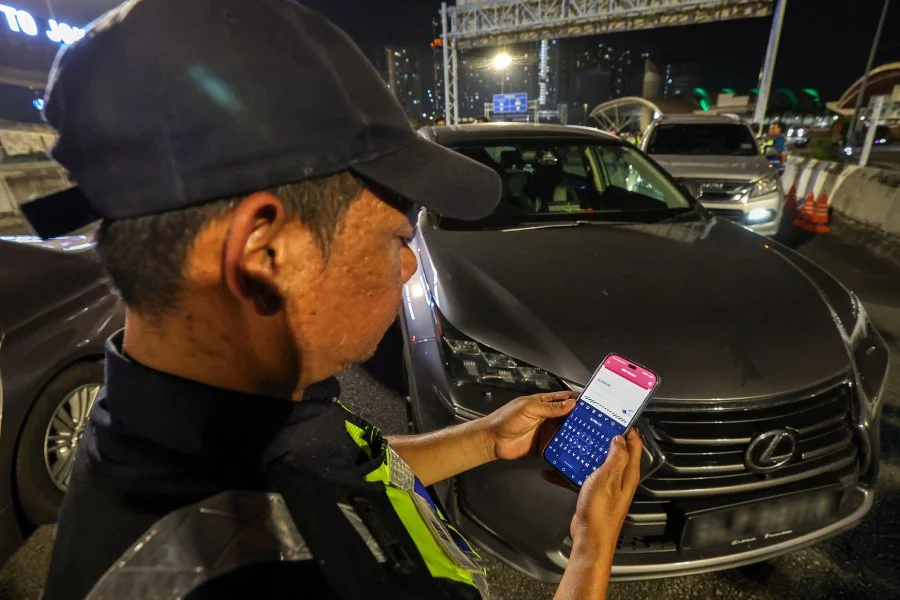
Malaysia has taken a firmer stance on regulating foreign-registered vehicles entering the country through the full enforcement of the Vehicle Entry Permit (VEP) system. Designed to improve border control, road safety, and compliance with transport laws, the VEP framework affects thousands of drivers who frequently travel into Malaysia, particularly via land checkpoints. Understanding the latest rules, penalties, and timelines is essential to avoid unnecessary fines, delays, or denial of entry.
What Is Malaysia’s Vehicle Entry Permit (VEP)?
The Vehicle Entry Permit (VEP) is a mandatory authorization for foreign-registered vehicles entering Malaysia. It links a vehicle’s registration details to the Malaysian road transport system, allowing authorities to monitor compliance with traffic laws, toll payments, and summonses.
The VEP is enforced using Radio Frequency Identification (RFID) technology, which enables automated vehicle detection at border checkpoints and along major roads. Once registered, each vehicle is issued a unique RFID tag that must be properly installed before entering Malaysia.
Who Needs to Register Under the VEP System?
All foreign-registered private vehicles entering Malaysia by land are required to comply with the VEP requirement. This includes cars used for personal, business, or leisure travel.
Drivers who frequently cross the border, as well as occasional visitors, are subject to the same obligation. Even short trips or single-day visits are not exempt from VEP registration.
The VEP Application Process Explained
The VEP application process is designed to be completed before arrival in Malaysia and involves several key steps:
-
Vehicle Registration
Vehicle owners must submit accurate details such as registration number, chassis number, and ownership information. -
Appointment for RFID Tag Collection
Once registration is approved, drivers are required to schedule an appointment to collect and install the RFID tag at an authorized center. -
Activation and Verification
The RFID tag must be activated and correctly positioned to ensure it can be detected by enforcement systems.
Failure to complete the VEP application in full, including RFID installation, may result in the vehicle being flagged as non-compliant.
Key Enforcement Rules Drivers Must Follow
With full enforcement underway, Malaysian authorities now rely heavily on automated systems rather than manual checks. Key rules include:
-
Vehicles must have a valid and activated RFID tag before entering Malaysia
-
Registration details must match the vehicle exactly
-
Outstanding traffic summonses or fees may trigger enforcement action
-
Tampering with or transferring RFID tags between vehicles is prohibited
Compliance is checked not only at border crossings but also through roadside monitoring infrastructure.
Penalties for Non-Compliance
Drivers who fail to comply with VEP regulations may face several consequences, depending on the nature of the violation. These may include:
-
Monetary fines for entering without a valid VEP
-
Delayed entry or denial of entry at checkpoints
-
Summonses for inaccurate or false registration details
-
Additional penalties if linked traffic offenses remain unpaid
Repeat offenders or those who intentionally bypass the system may face stricter enforcement measures.
Important Deadlines and Grace Periods
While the VEP system has existed for years, enforcement has shifted from advisory to mandatory. Authorities have gradually phased out grace periods, signaling a move toward stricter compliance.
Drivers are strongly encouraged to complete their VEP application well in advance of travel, as last-minute registrations may not be processed in time. Missing enforcement deadlines can result in immediate penalties upon arrival.
Why Malaysia Is Enforcing VEP More Strictly
The tighter enforcement of VEP serves several national objectives:
-
Improved road safety through better tracking of foreign vehicles
-
Fair enforcement of traffic laws, ensuring foreign drivers are accountable
-
Enhanced traffic management in high-congestion areas
-
Stronger border security and data accuracy
By integrating technology into border management, Malaysia aims to create a more efficient and transparent system for both authorities and motorists.
Practical Tips for a Smooth Entry Experience
To avoid complications when entering Malaysia, drivers should:
-
Complete the VEP application early
-
Double-check all vehicle and personal details
-
Ensure the RFID tag is properly installed and functional
-
Settle any outstanding traffic summonses promptly
-
Keep confirmation records accessible when traveling
Preparation is the simplest way to ensure a hassle-free journey.
Final Thoughts
Malaysia’s VEP enforcement marks a significant step toward modernized border and traffic management. While the system may seem complex at first, it ultimately benefits compliant drivers by streamlining entry procedures and promoting safer roads.
By understanding the rules, respecting deadlines, and completing the VEP application correctly, foreign motorists can continue to enjoy smooth and lawful travel into Malaysia without unnecessary disruptions.
