

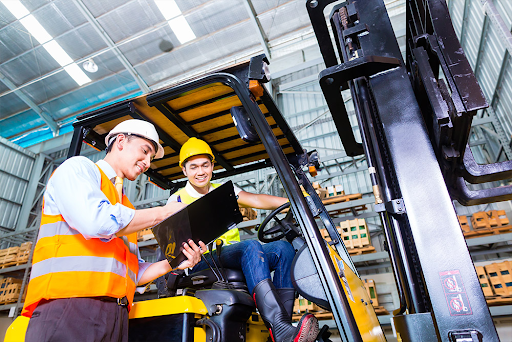
Operating a forklift may seem straightforward, but it requires proper knowledge, skill, and safety awareness. Forklifts are powerful machines, and handling them without proper training can lead to accidents, injuries, or damage to goods and property. This is where forklift driver training becomes essential. It equips operators with the necessary skills and confidence to handle forklifts efficiently and safely, improving both personal performance and workplace safety.
Understanding the Importance of Forklift Driver Training
Forklift driver training is more than just learning how to start and move the forklift. It teaches operators how to handle different types of loads, navigate various environments, and respond to unexpected situations. The training also emphasizes safety protocols, ensuring operators understand how to prevent accidents. By attending proper training sessions, operators can significantly reduce the risk of injury and enhance productivity at the workplace.
Developing Essential Skills Through Training
A well-structured forklift driver training program focuses on developing core skills. Operators learn to control the forklift smoothly, balance loads correctly, and maneuver in tight spaces without causing damage. Training also covers understanding weight limits, using attachments properly, and performing daily maintenance checks. These skills are crucial in ensuring that operators can work efficiently and reduce errors that could lead to workplace hazards.
Boosting Confidence on the Job
Confidence is a key factor for forklift operators. Many new operators feel anxious about handling heavy machinery, especially in busy warehouses or construction sites. Forklift driver training provides hands-on experience, allowing operators to practice under supervision. This guided learning helps build confidence, so operators can perform their duties with assurance. Confident operators are less likely to make mistakes, which directly contributes to a safer work environment.
Understanding Safety Protocols
Safety is at the core of any forklift driver training program. Operators learn about workplace hazards, emergency procedures, and proper use of safety equipment. They are trained to follow rules regarding speed limits, pedestrian safety, and load handling. By understanding and applying these safety protocols, operators not only protect themselves but also safeguard coworkers and materials from accidents.
Adapting to Different Work Environments
Forklifts are used in various settings, from warehouses to outdoor construction sites. Each environment presents unique challenges, such as uneven surfaces, narrow aisles, or changing weather conditions. Forklift driver training helps operators learn how to adapt to these conditions. This adaptability ensures that operators can handle different types of forklifts and work environments efficiently, making them versatile and valuable members of any team.
Enhancing Career Opportunities
Completing a recognized forklift driver training program can open doors to better job opportunities. Employers prefer skilled and certified operators who can work safely and efficiently. Training not only enhances your skills but also adds credibility to your resume. Certified operators often have higher earning potential and more opportunities for advancement in industries that rely on material handling.
Continuous Improvement Through Training
Forklift driver training is not a one-time process. As technology and safety standards evolve, ongoing training ensures that operators stay up-to-date with the latest practices. Continuous learning helps operators refine their skills, learn new techniques, and maintain high safety standards. This commitment to improvement benefits both the operator and the organization by promoting efficiency and minimizing risks.
Conclusion
Forklift driver training is essential for anyone looking to become a skilled and confident forklift operator. It provides the knowledge, practical skills, and safety awareness necessary to handle forklifts effectively. By investing time in proper training, operators can reduce workplace accidents, increase productivity, and boost their confidence on the job. Furthermore, trained operators gain a competitive edge in their careers, opening up new opportunities for growth and advancement. Ultimately, forklift driver training is not just about learning to operate machinery—it is about ensuring safety, efficiency, and professional development.
