


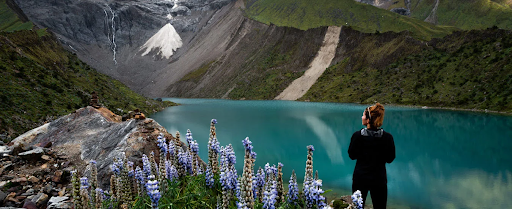
High in the Peruvian Andes, cradled between towering snow-capped peaks, lies one of South America’s most stunning natural wonders:Humantay Lake Tour Full Day from Cusco. This glacial lagoon, with its impossibly bright turquoise waters, has become one of the most sought-after day trips from Cusco. A full-day tour to Humantay Lake offers adventurous travelers the opportunity to witness nature’s artistry at its finest, combining challenging high-altitude hiking with rewarding panoramic vistas that remain etched in memory long after the journey ends.
The Allure of Humantay Lake
Humantay Lake sits at an elevation of 4,200 meters (13,779 feet) above sea level, fed by the melting glaciers of the imposing Humantay and Salkantay mountains. The lake’s extraordinary color comes from mineral-rich glacial meltwater containing suspended rock particles that reflect light in distinctive turquoise and emerald hues. This natural phenomenon creates a visual spectacle that shifts throughout the day as sunlight changes angle and intensity, making each visitor’s experience unique.
The lake holds deep spiritual significance for local Quechua communities, who consider it a sacred site connected to the powerful Apu Salkantay, one of the most important mountain spirits in Andean cosmology. For centuries, these waters have been a destination for ceremonial offerings and spiritual reflection, adding layers of cultural meaning to the natural beauty that draws modern travelers.
The Full-Day Journey from Cusco
A typical Humantay Lake tour begins in the pre-dawn darkness of Cusco, with most operators collecting guests from their accommodations between 4:00 and 5:00 AM. The early start serves multiple purposes: it allows hikers to reach the lake before afternoon clouds potentially obscure the views, provides optimal lighting for photography, and helps avoid the midday heat that can be surprisingly intense at high altitude.
The journey to the trailhead at Soraypampa takes approximately three hours, covering roughly 130 kilometers through increasingly dramatic landscapes. The route passes through traditional Andean villages, agricultural terraces that have been cultivated for centuries, and eventually enters the Cordillera Vilcabamba mountain range. As the minibus climbs higher, the vegetation gradually transforms from lush valley greenery to sparse high-altitude grasses and eventually to the stark, rocky terrain characteristic of the upper Andes.
The Hike: Challenge and Reward
Upon arriving at Soraypampa, at approximately 3,900 meters (12,795 feet), hikers typically enjoy a hearty breakfast designed to provide sustained energy for the climb ahead. The trailhead offers the first breathtaking views of Salkantay Mountain, the second-highest peak in the Cusco region at 6,271 meters (20,574 feet), its massive glaciated face dominating the western horizon.
The trek to Humantay Lake covers approximately 2.5 to 3 kilometers, but the distance tells only part of the story. The trail gains roughly 300 meters in elevation, and at this altitude, every step requires more effort than it would at sea level. The oxygen-depleted air means that even reasonably fit individuals will find themselves breathing heavily and needing frequent rest stops. Most hikers complete the ascent in 60 to 90 minutes, though this varies considerably based on individual fitness levels and altitude acclimatization.
The path itself winds upward through increasingly barren terrain, zigzagging across rocky slopes where hardy Andean grasses and occasional wildflowers cling to existence. Local horsemen offer riding services for those struggling with the altitude, providing an alternative for travelers who want to experience the lake without completing the entire hike on foot. However, many visitors find that the physical challenge intensifies the sense of accomplishment upon reaching the destination.
Arriving at the Lake
The first glimpse of Humantay Lake typically comes suddenly as hikers crest the final ridge, and the impact is profound. The brilliant turquoise waters appear almost unnatural against the gray and brown mountain slopes, while the massive ice-covered face of Humantay Mountain rises directly behind the lake like a frozen cathedral. On clear days, the reflection of the peak in the still water creates a perfect mirror image that blurs the boundary between earth and sky.
Most tours allow 45 minutes to an hour at the lake itself, providing time for photography, rest, and contemplation. A trail circles partway around the shore, allowing visitors to view the lake from multiple angles and appreciate how the color and character change with perspective. Some travelers choose to participate in traditional offerings, following the guidance of local shamans who perform ceremonies honoring the mountain spirits, though this is entirely optional.
Cultural and Environmental Significance
The Humantay Lake region remains relatively undeveloped compared to more established tourist destinations, which helps preserve both its natural state and cultural authenticity. Local communities from nearby villages have organized themselves to manage tourism sustainably, providing services like horse rentals, guiding, and trail maintenance while protecting the environment and their traditional way of life.
Visitors should be aware that this is an active sacred site. Respectful behavior includes staying on marked trails, avoiding littering, speaking quietly, and refraining from swimming in the lake or disturbing the shoreline. Many local guides appreciate when visitors take a moment to acknowledge the spiritual significance of the location, even if they don’t share the specific beliefs.
Practical Preparation and Considerations
Success and enjoyment on a Humantay Lake tour depend significantly on proper preparation. The altitude represents the single greatest challenge for most visitors. Medical professionals strongly recommend spending at least two full days in Cusco before attempting this hike, allowing the body to begin producing additional red blood cells and adjusting to lower oxygen levels. Symptoms of altitude sickness can include headaches, nausea, dizziness, and extreme fatigue.
Weather in the high Andes can be unpredictable and harsh. Mornings often start at or below freezing, while midday sun can cause rapid temperature increases. A layering system is essential: thermal base layers, insulating mid-layers, and a waterproof outer shell. The intense UV radiation at this altitude requires serious sun protection, including SPF 50+ sunscreen, quality sunglasses, and a hat with good coverage.
Physical fitness matters, though the hike is achievable for people of moderate fitness who have acclimatized properly. Walking poles can significantly reduce strain on knees during the descent and provide helpful stability on loose or uneven sections of trail. Most tour operators recommend bringing personal water bottles, energy snacks, and any personal medications.
The Return Journey
After the time at the lake, hikers descend back to Soraypampa, where a satisfying lunch awaits. The descent typically takes 45 to 60 minutes and, while easier on the lungs, can be harder on the knees and requires attention to footing on loose sections. Following lunch, the group boards the transport for the three-hour return journey to Cusco, usually arriving between 6:00 and 7:00 PM.
Conclusion
A Humantay Lake Tour Full Day from Cusco delivers an intense, rewarding experience that encapsulates much of what makes Peru’s Andean region so compelling. The combination of physical challenge, natural beauty, and cultural significance creates a journey that tests limits while expanding perspectives. Though demanding, the sight of those impossibly blue waters surrounded by ancient peaks makes every labored breath worthwhile.
Key Takeaways
- Altitude Challenge: At 4,200 meters, proper acclimatization in Cusco for 2-3 days is crucial for safety and enjoyment
- Early Departure: Tours start at 4-5 AM for a full 14-hour day, returning to Cusco around 6-7 PM
- Moderate Difficulty: The 2.5-3 km hike gains 300 meters elevation; expect 60-90 minutes ascending at high altitude
- Essential Gear: Layered clothing, sun protection (SPF 50+), walking poles, and 1-2 liters of water are necessary
- Horse Option: Horseback riding available for those struggling with altitude, though adds extra cost
- Sacred Site: Show respect by staying on trails, not littering, and acknowledging cultural significance
- Best Season: April through October offers clearest weather, though tours operate year-round
- Included Services: Most tours provide transportation, breakfast, lunch, professional guide, and entrance fees
