


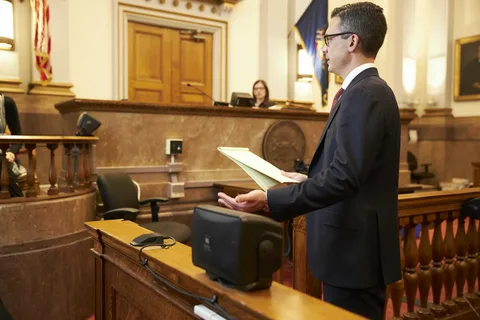
Immigration court hearings often involve more than documents and legal arguments. In many cases, individuals may provide witness testimony to help explain important facts related to the case. Witnesses can provide firsthand information that supports or clarifies the details presented during the proceedings.
Testimony can help the immigration judge understand the background of a case and evaluate the credibility of the claims being discussed.
What Is Witness Testimony?
Witness testimony refers to statements made by individuals who appear in court to share information about a case. These witnesses may include family members, community members, or others who have direct knowledge of relevant events.
The testimony is usually given under oath, meaning the witness is expected to provide truthful and accurate information.
During the hearing, the immigration judge and attorneys may ask questions to better understand the details being shared.
Types of Witnesses in Immigration Cases
Different types of witnesses may appear in immigration court depending on the nature of the case. Each witness provides information that may help the judge evaluate certain aspects of the situation.
Examples of witnesses who may provide testimony include:
-
Family members who can describe personal relationships
-
Employers who can confirm work history
-
Community members who can speak about character or involvement in local activities
-
Experts who may provide specialized knowledge about certain issues
These perspectives help the court develop a fuller understanding of the case.
How Judges Evaluate Testimony
When reviewing witness testimony, immigration judges look at several factors to determine how much weight to give the statements. They often consider whether the testimony is consistent with other evidence presented during the proceedings.
Judges may examine:
-
The clarity and detail of the testimony
-
Whether the statements align with documents submitted to the court
-
Whether the witness has direct knowledge of the events described
This evaluation helps the judge determine the reliability of the information provided.
The Relationship Between Testimony and Documentation
Witness testimony is often reviewed alongside documentary evidence. For example, a witness might describe events that are also supported by written records or official documents.
When testimony and documentation align, it may strengthen the credibility of the claims presented during the case.
If inconsistencies appear, the judge may ask additional questions to clarify the situation.
Witness Testimony and Appeals
If a case moves to the appeals stage, the testimony presented during the hearing becomes part of the official record. The Board of Immigration Appeals (BIA) reviews this record to determine whether the immigration judge correctly evaluated the information presented in court.
Because appeals rely on the existing record rather than new testimony, the statements given during the original hearing remain an important part of the review process.
Federal Court Review of Immigration Detention
In some immigration matters, individuals remain in detention while their cases proceed through the legal system. If detention lasts for an extended period, federal courts may review whether the custody remains lawful. Individuals exploring this option sometimes consult a Habeas Corpus Lawyer to determine whether a petition should be filed requesting judicial review of the detention.
These proceedings address detention issues rather than the testimony presented during immigration hearings.
Conclusion
Witness testimony plays a valuable role in immigration court proceedings by providing personal insights and firsthand accounts related to a case. When combined with documentary evidence, testimony can help immigration judges develop a clearer understanding of the facts.
By carefully evaluating both testimony and supporting records, immigration courts aim to make decisions based on reliable and consistent information.
