


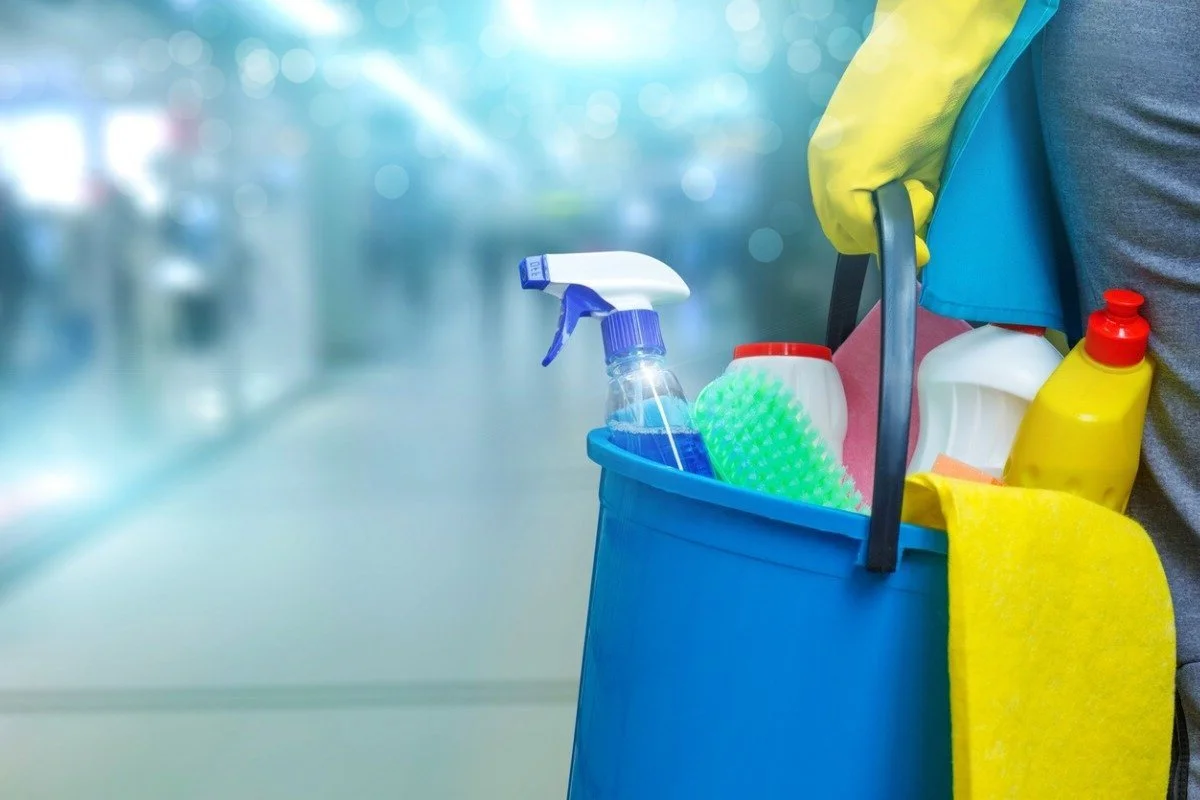
Cleaning is more than just removing dust and dirt—it’s about creating healthy, functional, and welcoming spaces. However, not all cleaning needs are the same. Cleaning services are generally divided into two main categories: residential and commercial. While both aim to maintain cleanliness and hygiene, they differ significantly in scope, methods, equipment, and expectations. Understanding these differences helps homeowners and business owners choose the right solution for their specific needs.
What Are Residential Cleaning Services?
Residential cleaning services focus on private living spaces such as houses, apartments, condos, and townhomes. The primary goal is to create a clean, comfortable, and safe environment for residents and their families.
These services typically include routine tasks such as dusting, vacuuming, mopping floors, cleaning kitchens and bathrooms, and tidying living areas. Depending on the client’s needs, residential cleaning can be scheduled weekly, bi-weekly, monthly, or as a one-time deep clean. Many homeowners also request specialized services such as move-in/move-out cleaning, post-renovation cleaning, or spring cleaning.
Residential cleaning places a strong emphasis on personal preferences. Homeowners may request specific products, focus areas, or eco-friendly solutions to suit their lifestyle and health concerns.
What Are Commercial Cleaning Services?
Commercial cleaning services are designed for business and public environments, including offices, retail stores, warehouses, schools, hospitals, restaurants, and industrial facilities. These spaces experience higher foot traffic and must meet stricter hygiene and safety standards.
Commercial cleaning often involves larger areas and more complex tasks. Services may include carpet and floor maintenance, window cleaning, restroom sanitation, waste management, and disinfection of high-touch surfaces. In some industries, such as healthcare or food service, cleaning protocols must comply with regulatory requirements.
Unlike residential cleaning, commercial cleaning services are usually performed outside of business hours to minimize disruption. They follow structured schedules and standardized checklists to ensure consistency and compliance.
Key Differences in Scope and Scale
One of the most noticeable differences between residential and commercial cleaning is scale. Residential cleaning focuses on smaller, more personalized spaces, while commercial cleaning covers expansive areas with diverse functions.
Commercial environments often require industrial-grade equipment, specialized cleaning agents, and trained staff capable of handling heavy-duty tasks. Residential cleaning, on the other hand, uses gentler products and tools suitable for home surfaces and furnishings.
Equipment and Cleaning Techniques
Cleaning services for commercial spaces rely on advanced machinery such as floor scrubbers, high-powered vacuums, and electrostatic sprayers for disinfection. These tools are designed for efficiency and durability in large spaces.
Residential cleaning typically involves lightweight, household-friendly equipment. The techniques are more detail-oriented, focusing on visible cleanliness, comfort, and care for personal belongings.
Customization vs Standardization
Residential cleaning services are highly customizable. Homeowners can adjust schedules, choose specific rooms to be cleaned, and request special attention to certain areas.
Commercial cleaning services are more standardized. Businesses require consistency, reliability, and adherence to established cleaning protocols. While customization is possible, it is usually aligned with operational needs and industry standards rather than personal preference.
Cost Structure and Contracts
Residential cleaning services are often priced per visit or per hour, depending on the size of the home and the level of cleaning required. Flexibility is a key advantage, with no long-term contracts in many cases.
Commercial cleaning services are commonly offered under long-term contracts. Pricing is based on square footage, frequency, and the complexity of services provided. This structured approach ensures ongoing maintenance and predictable costs for businesses.
Choosing the Right Cleaning Service
Selecting between residential and commercial cleaning services depends entirely on the space and its purpose. Homeowners benefit from personalized care and flexible scheduling, while businesses require professional, scalable, and compliant cleaning solutions.
Understanding these distinctions ensures that expectations align with results, leading to cleaner environments and better value for money.
Conclusion
While both residential and commercial cleaning share the common goal of cleanliness, they serve very different needs. Cleaning services are not one-size-fits-all; they are tailored to the environment, usage, and standards required. By recognizing the differences between residential and commercial cleaning, individuals and organizations can make informed decisions that support health, productivity, and overall well-being.
