



Imagine rare lab manuals soaring free—birds released from their cages. That’s what’s happening to specialized knowledge today. For centuries, academic treasures were locked away, available only to the privileged few. Manuscripts sat under lock in university libraries, journals reached only well-funded institutions, and scholars needed the right connections just to read them. Today, those barriers are crumbling, and knowledge is reaching learners in every corner of the world.
Not long ago, you needed a prestigious university ID card to access advanced educational materials. Now? Just pull out your smartphone. Lectures, research papers, and resources once exclusive to ivy-covered buildings are yours with a few taps. This democratization has completely transformed who gets to learn what, making education more inclusive for everyone.
This wave of open access isn’t without its challenges, though. As knowledge breaks free, we need thoughtful stewardship to keep it both accessible and reliable. The road ahead requires better curation systems and sustainable models for content creation, ensuring this global learning commons stays both vibrant and trustworthy.
Yet to understand how radical this shift is, we need to trace back to when those gates first went up.
The Ivory Tower Unlocked
The democratization we’re seeing today stands in stark contrast to a past when advanced curricula and research were locked behind elite gates. Before digital sharing, access to advanced curricula and research journals was tightly controlled by elite institutions. They enforced strict gatekeeping, ensuring expert lectures, lab protocols, and specialized syllabi remained available only to those who’d passed through their selective admissions processes.
Money further reinforced these walls. High subscription fees and geographic limitations meant only well-funded organizations could stay current with cutting-edge science and scholarship. Your zip code or bank account determined your access to knowledge.
The human cost? Massive. Countless eager minds were left in the dark, unable to engage with advancements in their fields. Researchers at smaller schools missed critical experimental methods, local scientists couldn’t build on breakthroughs in genetics or sustainable agriculture, and regional industries fell behind without access to emerging techniques. This exclusivity didn’t just limit individuals—it stifled entire communities and regions from reaching their potential.
As those walls fell, a new frontier sprang up in the digital realm, promising to carry knowledge beyond any campus.
Digital Leviathans
Digital platforms have fundamentally transformed how we access and share knowledge. Open archives now host journal preprints and video lectures that anyone with internet access can explore—no membership card required.
Low-bandwidth options and offline downloads have extended these resources to regions with spotty connectivity. Even in areas where the internet comes and goes like an unreliable houseguest, learners can still access these materials.
Navigating these digital knowledge platforms, though, can feel like trying to drink from a fire hose while someone keeps changing the water pressure. Just when you’ve mastered one interface, it updates overnight with a completely reimagined navigation system that leaves you clicking aimlessly for what used to be right there.
Meanwhile, peer-to-peer sharing communities have sidestepped traditional gatekeepers entirely. These networks allow knowledge to flow across borders without publishing middlemen, creating direct connections between those who know and those who want to learn.
But pouring streams of data is one thing—seeing it land in classrooms is another.
Democratizing Classrooms
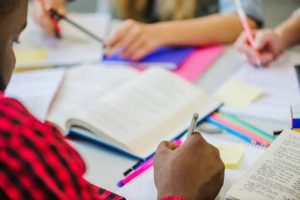
Schools with limited resources can now enhance their teaching with world-class materials. Interactive presentations and high-quality recordings once confined to elite universities now stream into classrooms worldwide.
Teachers are becoming the ultimate educational DJs, mixing global resources with local contexts. They take those sleek, standardized materials and remix them with community-relevant case studies and translations. Sometimes this means staying up until midnight to adapt a pristine biology lesson so it references local plant species instead of textbook examples from another continent. The dedication is real.
Yet challenges persist. Teachers often lack time to align complex materials with local requirements, struggle with specialized terminology without proper language support, and face infrastructure hurdles like unpredictable power or limited bandwidth. It’s hard to teach cutting-edge genetics when the school Wi-Fi keeps cutting out every time it rains.
These practical barriers must be addressed to truly democratize education.
Meanwhile, outside the school walls, learners are charting entirely personal courses.
Customized Journeys
Career professionals are leveraging open educational resources to adapt to shifting job markets. They stitch together personalized learning modules, tackling data ethics one day and sustainable design the next, creating custom curricula no traditional university ever offered.
Self-directed learners blend podcasts, GitHub repositories, and scholarly preprints into learning experiences tailored precisely to their interests. No dean’s approval needed.
The freedom to design your own educational path is liberating but can quickly become overwhelming. You start innocently clicking through course options and suddenly it’s 3 AM, you’ve opened thirty browser tabs spanning quantum computing to Renaissance art, and you’re not sure how any of it connects to what you originally wanted to learn.
It’s like going in for milk—and walking out with exotic fruit you’re not sure how to eat.
This content overload has created demand for guidance. Peer mentors and smart recommendation systems now help learners navigate this vast landscape without drowning in options. Study groups form around experienced guides who highlight essential resources, share annotated reading lists, and create structured pathways through the educational wilderness.
To see these dynamics up close, let’s turn to one subject area and watch how its materials have gone fully unbound.
IB Biology Resources Unbound
IB biology resources, such as past exam compilations and annotated lecture slides, are now widely available online.
These resources circulate through GitHub repositories, specialized forums, and digital sharing networks. Teachers and students worldwide can access quality materials that support effective biology education without institutional barriers.
This openness brings challenges, though. IB biology curricula update regularly, so annotations and practice questions can quickly fall out of sync with current objectives. Virtual labs might lack updated safety protocols or show outdated equipment. Regional exam differences mean resources perfect for students in one country might mislead those in another. Maintaining alignment with the latest assessment criteria requires constant vigilance and version control.
But opening the shelves begs a new question: who’s going to keep them in order?
New Gatekeepers
The open-access model isn’t without risks: misinformation spreads, content becomes bloated, and volunteers burn out maintaining unmoderated repositories. Managing these challenges requires robust review processes.
Peer-review networks play crucial roles in vetting uploads and flagging outdated or incorrect content. Their work maintains the integrity of these educational commons. It’s a bit like having a neighborhood watch for knowledge—except instead of reporting suspicious strangers, they’re flagging suspicious statistical methods in biology papers.
Emerging tools like blockchain credentials and digital fingerprints trace content back to expert sources. These technologies help users verify whether that brilliant explanation of photosynthesis came from a university professor or someone who just watched a few YouTube videos.
Micro-payment systems incentivize specialists to keep content current and accurate. By rewarding contributors for quality updates, these models support sustainable knowledge sharing without reverting to traditional paywalls.
The real test will be weaving these new guardrails into lasting, collaborative frameworks.
Towards a Sustainable Agora
The future of open education depends on collaborative structures uniting educators, tech experts, and policymakers. Community moderation boards can establish quality standards and resolve disputes effectively, ensuring content remains reliable.
Partnerships between universities and digital platforms help fund ongoing content updates and provide teacher training. These collaborations ensure open resources stay current and relevant instead of becoming digital museums of outdated information.
Policy frameworks including grants and accreditation incentives support developing open courseware. Government investment in these initiatives helps create sustainable ecosystems where free knowledge can thrive and evolve.
With those foundations laid, our focus shifts to the ongoing care this renaissance demands.
Tending the Flock of Free Knowledge
The fall of walls around specialized knowledge has sparked an educational renaissance. But its continued flight depends on careful stewardship from everyone involved in creating and sharing educational content.
Looking back at our metaphor of knowledge as birds freed from cages, we must consider our roles in nurturing this newfound freedom. Whether we’re learners, creators, or policymakers, we each play a part in ensuring free knowledge continues to soar.
The cages are open—now let’s roll up our sleeves and build the skies these birds deserve.
