


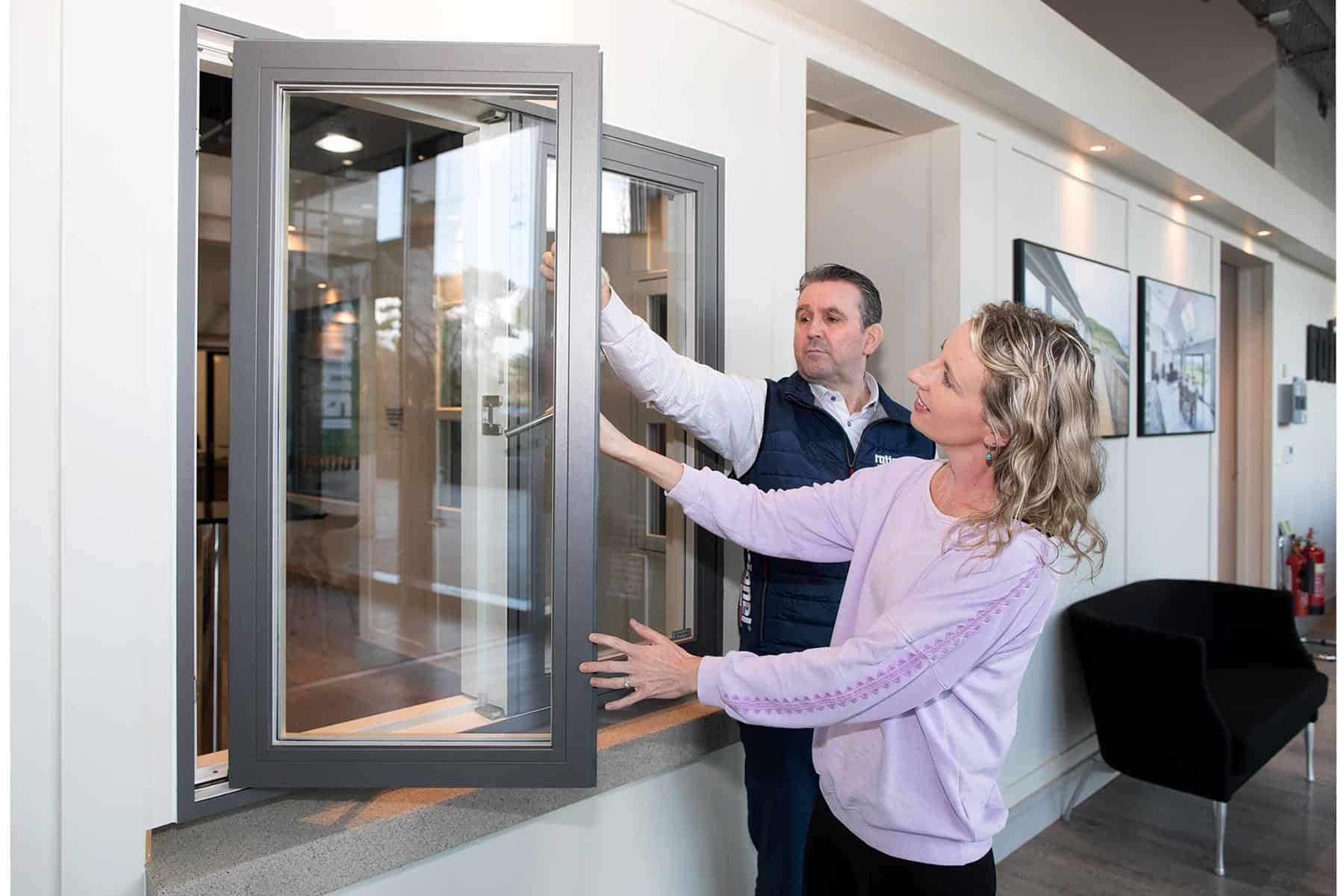
Choosing new windows is an important decision for any homeowner. Windows influence much more than the appearance of a property. They can affect natural light, ventilation, indoor comfort, energy performance, privacy, security, and even the overall character of a building. With so many styles, frame materials, glazing options, and designs available, selecting the right solution requires more than simply choosing a window that looks attractive.
A successful window upgrade begins with understanding the property’s requirements. Whether you are renovating an older house, improving a modern home, or completing a new construction project, carefully selected windows can provide a combination of style, practicality, durability, and long-term performance.
Start by Understanding Your Property
Before choosing a particular window style, examine the characteristics of your property. Consider the age and architectural design of the building, the size and position of existing openings, the direction each window faces, and the amount of sunlight received throughout the day.
Room function is also important. A bedroom may require privacy and noise reduction, while a kitchen could benefit from excellent ventilation. Living rooms may prioritize larger glass areas and natural light, whereas bathrooms often require privacy-focused glazing.
Understanding these requirements makes it easier to select windows that work with the property rather than simply adding a new visual feature.
Choose a Window Style That Fits the Room
Windows are available in several operating styles, including casement, sliding, awning, fixed, tilt-and-turn, and double-hung designs. Each has different advantages.
Casement windows, for example, are hinged and can provide strong ventilation when opened. Sliding windows are convenient where projecting a sash outward is undesirable and can work particularly well in spaces with limited exterior clearance. Fixed windows cannot be opened but can provide large areas of glazing and excellent views.
The right choice depends on how the room is used, the available space, ventilation requirements, and the appearance you want to achieve.
Pay Attention to Frame Materials
The frame is an important part of window performance. Common materials include uPVC, timber, aluminium, fiberglass, and composite materials.
uPVC is often selected for its low maintenance and resistance to moisture. Timber can provide a traditional and natural appearance, although it generally requires more maintenance. Aluminium offers strength and slim profiles, while thermally broken aluminium can improve insulation compared with conventional metal frames. Fiberglass and composite frames can provide a combination of durability, stability, and thermal performance.
There is no single frame material that is ideal for every property. The best choice depends on climate, architectural style, maintenance expectations, budget, and desired performance.
Consider the Glass and Glazing System
Glass can have a major effect on how a window performs. Modern windows may use double or triple glazing, low-emissivity coatings, gas-filled spaces, and specialized spacers to improve thermal performance.
Low-E coatings can reduce unwanted heat transfer while allowing natural daylight into the room. Insulated glazing can also help create a more comfortable indoor environment by reducing heat movement through the window.
For properties exposed to strong sunlight, solar-control glazing may be worth considering. In areas where outside noise is a concern, homeowners can also investigate glazing configurations designed to improve acoustic performance.
Think About Energy Efficiency
Energy efficiency should be considered alongside appearance and price. A window’s performance depends on both the glass and frame, as well as the quality of installation.
Two useful measurements are U-factor and Solar Heat Gain Coefficient, commonly abbreviated as SHGC. U-factor relates to heat transfer through the window, while SHGC indicates how much solar heat enters through the glazing. The appropriate balance depends on the property’s climate and exposure.
For a hot property, controlling unwanted solar heat can be particularly important. In cooler conditions, reducing heat loss may become a greater priority. This is why selecting windows according to the property’s environment is generally more useful than choosing products based only on appearance.
Don’t Ignore Ventilation
A beautiful window is not necessarily the right window if it does not provide the ventilation a room needs.
Operable windows can allow fresh air to circulate naturally and may help reduce stuffiness. The amount and direction of ventilation should be considered when planning window placement.
Casement and awning-style windows can provide useful ventilation while closing tightly against the frame. Sliding windows offer a different operating approach and may be particularly convenient in certain room layouts. Fixed windows, meanwhile, are suitable where ventilation is not required but cannot provide airflow.
Consider Privacy and Security
Windows should also contribute to the security and privacy of the property. Look for strong frames, reliable locking systems, durable hardware, and suitable glazing.
Ground-floor bedrooms, bathrooms, and windows facing busy streets may benefit from privacy glass or carefully selected window treatments. Security considerations are especially important for easily accessible windows.
Good design involves balancing visibility, natural light, ventilation, and privacy rather than maximizing just one of these factors.
Think About Noise Reduction
If the property is located near a busy road, commercial area, airport, railway, or other noisy environment, acoustic performance deserves attention.
The glass configuration, number of panes, glazing thickness, frame construction, seals, and installation quality can all influence how effectively a window reduces outside noise. A specialist can help determine which combination is appropriate for the property’s particular surroundings.
Match the Windows to Your Home’s Architecture
Windows should complement the architectural character of the property.
Traditional homes may look more natural with classic proportions and timber-inspired designs, while contemporary properties can suit large glass panels, minimalist frames, and clean lines. The colour and profile of the frame should also work with the exterior finishes, doors, roofline, and other architectural details.
For homeowners working with a company such as safehomeswindowsltd, discussing the property’s existing design can help ensure that the selected windows provide both functional improvements and a cohesive appearance.
Installation Matters as Much as Product Selection
Even a high-performance window can perform poorly if it is incorrectly installed. Gaps around the frame, inadequate sealing, poor alignment, or improper flashing can contribute to drafts, water penetration, and reduced performance.
Professional installation should therefore be treated as part of the window investment rather than an afterthought. The installer should follow the manufacturer’s requirements and ensure that the opening is correctly prepared, sealed, and finished.
Proper installation is particularly important when replacing older windows because the surrounding structure may require repair or adjustment before the new units are fitted.
Think Beyond the Initial Price
The cheapest window is not necessarily the least expensive option over its useful life. Maintenance requirements, energy performance, durability, installation quality, and expected service life can all influence the total value of a window.
A slightly higher initial investment may provide advantages through improved comfort, reduced maintenance, better insulation, or longer-lasting components.
Instead of comparing products only by their purchase price, homeowners should consider the complete cost of ownership.
Choose Windows Room by Room
There is no requirement for every window in a property to have exactly the same specifications.
Different rooms have different requirements. A large living-room window may prioritize daylight and views, while a bathroom window may focus on privacy and ventilation. A bedroom could benefit from noise reduction, and a kitchen may require easy operation and effective airflow.
A room-by-room approach allows homeowners to create a more practical window package rather than applying one solution throughout the entire property.
Create a Balance Between Style and Performance
The best window choice combines appearance with practical performance. A visually attractive design can improve curb appeal, but it should also provide the ventilation, insulation, privacy, durability, and security required by the property.
Modern window technology makes it possible to combine attractive designs with advanced glazing and frame systems. The goal should be to select a product that looks appropriate today while continuing to perform well over the years.
Final Thoughts
Choosing the right windows for your property requires careful consideration of style, frame material, glazing, energy performance, ventilation, privacy, security, noise, maintenance, and installation. Research shows that window performance depends on the interaction of multiple components rather than on glass or frame material alone.
A thoughtful selection process can help homeowners improve the appearance and comfort of their property while making a practical long-term investment. By evaluating each room’s requirements and working with an experienced window professional, you can select windows that complement your property and meet its everyday needs.
