


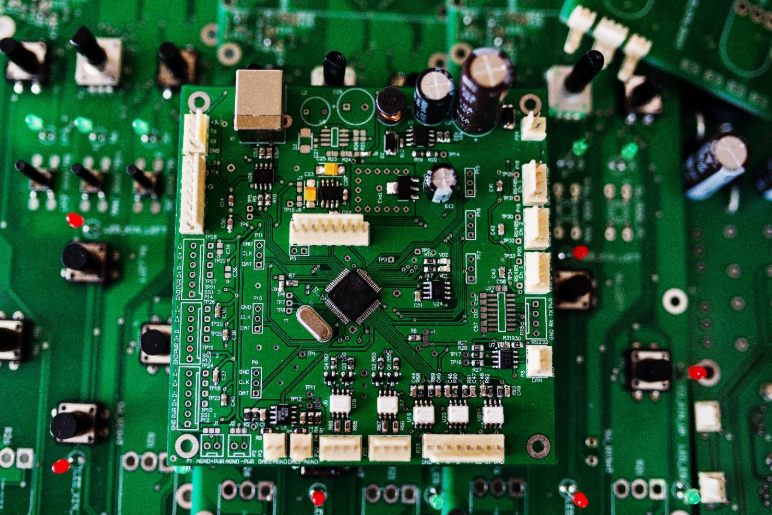
Box build assembly is the complete process of combining printed circuit board assemblies (PCBAs), wiring harnesses, mechanical components, and subassemblies into finished, fully integrated electronic products within a protective enclosure or chassis.
The box-build assembly is also known as system integration or an electromechanical assembly. While PCBA focuses primarily on assembling components onto a bare circuit board, box-build manufacturing is the final stage that transforms the sub-assembled board into a complete, market-ready device ready for shipment or immediate deployment.
Have you been researching box-build assembly? If so, you are just in the right place. In this box, we will discuss everything you need to know about it.
What Does a Box Build Process Involve?
A box build process transforms a bare circuit board into a finished, market-ready electronic product. It is typically managed by an electronics manufacturing services partner, and the highly customized workflow begins by securely mounting the printed circuit board in a plastic or metal enclosure.
Technicians then route internal cabling, connect wire harnesses, and install mechanical components such as brackets and fasteners. Next, the device undergoes firmware loading and software calibration.
Finally, the manufacturer conducts rigorous functional and safety testing to ensure quality, then completes post-production fulfillment, including applying regulatory labels, assigning serial numbers, and packaging the product in protective retail packaging for final shipment.
Box Build Assembly vs. PCB Assembly
While Printed Circuit Board Assembly (PCBA) creates the functional electronic core of a device, box-build manufacturing turns that core into a market-ready unit. Furthermore, PCBA focuses on soldering components such as resistors, capacitors, and chips onto a bare circuit board.
In contrast, box-build assembly is a comprehensive, multi-step integration process that combines the PCBA, wiring harnesses, metal or plastic chassis, and mechanical parts into a complete, finished product ready for deployment or for retail shelves.
Typical Applications Across Industries
Box-build assembly serves a wide range of commercial, industrial, and specialized sectors that require durable, highly integrated electronics. Industrial automation encompasses control panels, programmable logic controllers (PLCs), and robotic sensor modules.
Additionally, the healthcare and medical fields rely on it for diagnostic testing equipment, patient monitoring units, and portable medical devices. In contrast, telecommunications and consumer electronics rely on it for routers, switches, smart home hubs, and specialized IoT appliances. However, no industry doesn’t use integrated electronics, making box-build assembly the most demanding electrical operation on the planet.
Key Benefits of Outsourcing Box Build Assembly
Partnering with an experienced contract manufacturer for final system integration offers several strategic advantages for businesses. However, outsourcing eliminates the need to coordinate with multiple vendors for enclosures, cables, fasteners, and test equipment, significantly streamlining the supply chain.
Established manufacturing partners also use optimized assembly lines and skilled labor to shorten production cycles. At the same time, centralized material procurement and economies of scale reduce per-unit production costs compared with setting up an in-house assembly line. Thus, outsourcing not only improves production efficiency but also boosts overall business growth.
Bottom Line
Box build assembly, also known as system integration, is the process of combining printed circuit board assemblies, wiring harnesses, mechanical components, and subassemblies into finished, fully integrated products within a protective enclosure or chassis.
