


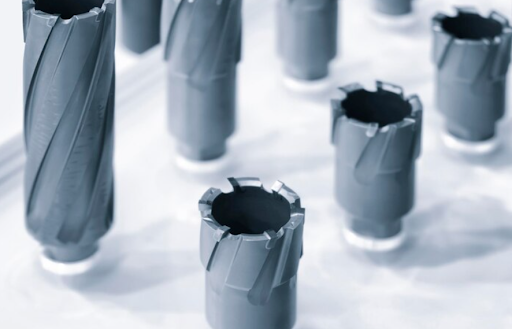
Tungsten carbide is a popular material used in many industrial applications because of its excellent hardness, strength, and resistance to wear. It is commonly found in cutting tools, mining equipment, manufacturing machinery, and construction tools. However, choosing the right tungsten carbide requires careful consideration of its properties and intended use. Different grades and compositions offer different benefits, so selecting the right option can improve equipment performance, product quality, and service life. Understanding a few important factors can help you make a suitable choice for your specific requirements.
Understand Your Application Requirements
The first step in choosing tungsten carbide is understanding where and how you plan to use it. Different applications require different material properties. For example, cutting tools need excellent hardness and wear resistance, while mining equipment may require greater toughness to handle heavy impacts.
Consider the working environment, operating pressure, temperature, and type of material involved. These factors can help you identify which tungsten carbide grade is suitable for your application. A clear understanding of your requirements also makes it easier to compare available options and avoid selecting a material that does not meet your needs.
Choose the Right Grade of Tungsten Carbide
Tungsten carbide is available in different grades, each designed for specific working conditions. These grades usually vary in hardness, toughness, and binder content. Some grades are designed for applications that require high wear resistance, while others offer better resistance to impact and sudden pressure.
A higher hardness level can be useful for applications involving continuous friction and abrasion. However, materials with greater toughness may perform better in situations where equipment experiences repeated impacts. Therefore, it is important to balance hardness and toughness when selecting tungsten carbide. Choosing the correct grade can help improve reliability and reduce the need for frequent replacements.
Consider Hardness and Wear Resistance
Hardness is one of the most important properties of tungsten carbide. It allows the material to maintain its shape and cutting performance even when exposed to demanding working conditions. Wear resistance is equally important because it determines how well the material handles continuous friction and contact with other surfaces.
Before making a decision, consider the level of wear your equipment is likely to experience. For applications involving abrasive materials, selecting tungsten carbide with suitable wear resistance can support longer service life. This can also help reduce maintenance requirements and improve overall operating efficiency.
Check the Quality and Manufacturing Standards
Material quality plays an important role in the performance of tungsten carbide. High-quality products are generally manufactured under controlled conditions to ensure consistent composition, density, and structural strength. Poor manufacturing practices can affect performance and reduce the reliability of the finished product.
When comparing suppliers, look for manufacturers with a good reputation and clear product specifications. Ask about quality testing, manufacturing processes, and available technical information. Reliable suppliers can also help you understand which tungsten carbide grade is best suited to your application.
Evaluate Cost and Long-Term Value
Price is another important factor when choosing tungsten carbide. However, selecting the cheapest option may not always provide the best value. A lower-cost product may require more frequent replacement, increasing maintenance expenses over time.
Instead, consider the overall value of the material. Compare its expected service life, performance, maintenance needs, and initial purchase price. Investing in suitable tungsten carbide can support better productivity and reduce long-term operating costs.
Conclusion
Choosing the right tungsten carbide involves understanding your application, comparing material grades, and evaluating important properties such as hardness, toughness, and wear resistance. It is also important to check product quality and consider long-term value rather than focusing only on price. By keeping these essential factors in mind, you can select tungsten carbide that meets your requirements, supports reliable performance, and provides lasting value.
