


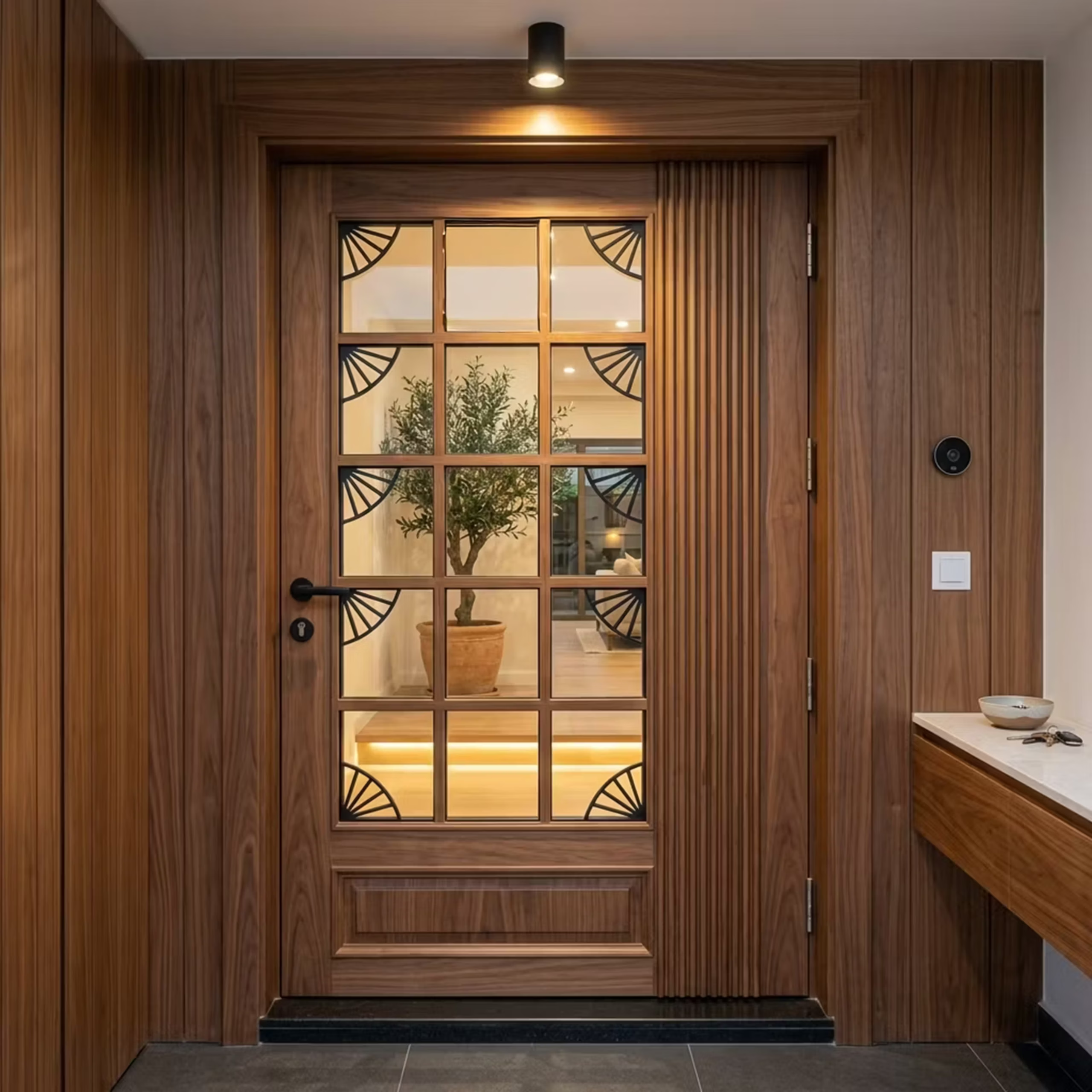
Creating a private room does not have to mean making the space dark or disconnected. In contemporary homes, homeowners increasingly want doors that separate rooms while still allowing daylight to move through the interior. The right combination of glass, framing, proportions, and surface finishes can achieve both goals.
Modern interior doors are particularly useful for bedrooms, bathrooms, home offices, hallways, dressing areas, and other spaces where privacy matters but natural light is limited. Frosted, reeded, textured, and partially glazed designs can provide visual separation without the closed-in feeling of a completely solid door.
Why Privacy and Natural Light Matter Together
Traditional solid doors are excellent for creating visual separation, but they can prevent daylight from reaching darker areas of a home. This can be especially noticeable when a hallway, office, or interior room has little or no direct access to a window.
On the other hand, completely clear glass doors provide excellent light transmission but may not provide enough privacy for bedrooms, bathrooms, or workspaces.
The solution is to select a door that filters or redirects light while reducing direct visibility. Frosted and textured glass are particularly effective because they allow light through while making details and faces difficult to see.
Frosted Glass Doors for Soft, Comfortable Privacy
Frosted glass is one of the simplest choices when privacy is the priority. Its translucent surface diffuses incoming light rather than allowing a clear view through the door.
A full-height frosted glass panel can help brighten a hallway while keeping the room beyond visually private. It is also suitable for home offices where occupants may want daylight without being constantly visible from the surrounding living spaces.
The level of opacity can vary. Lightly frosted glass creates a softer visual barrier, while heavily frosted glass can provide much greater concealment.
For minimalist interiors, a large uninterrupted frosted panel combined with a slim frame creates a clean architectural appearance.
Reeded and Fluted Glass for Privacy With Texture
Reeded or fluted glass has become an appealing alternative to completely plain glass. Its vertical texture distorts the view while allowing daylight to pass through.
The pattern also gives the door a stronger design presence. A reeded-glass panel in a simple timber or metal frame can complement contemporary, Scandinavian, industrial, and transitional interiors.
This option works especially well when homeowners want privacy but do not want the completely opaque appearance of heavily frosted glass. Textured glass can create a balance between visibility, light, and decorative character.
Partial-Glass Doors for Targeted Privacy
You do not always need glass across the entire door. A partial-glass design can place solid material where privacy is most important while using glass higher up to introduce daylight.
For example, a door can have a solid lower section and a frosted or textured glass panel across the upper portion. This arrangement can be particularly practical for bedrooms, studies, laundry rooms, and bathrooms.
It also allows homeowners to control sightlines. People moving through a hallway may receive the benefit of borrowed light without having a direct view into the room.
Glass Panel Doors for Home Offices
Home offices often require a careful balance between concentration and openness. A completely solid door can make a small office feel enclosed, while clear glass may create too much visual exposure.
A frosted or patterned glass-panel door offers a middle ground. Daylight can enter the office, but the occupant remains visually separated from the rest of the home.
For a modern look, consider a single large glass panel with a narrow frame rather than numerous small panes. Simple proportions tend to produce a cleaner contemporary appearance.
Modern Interior Doors for Dark Hallways
Hallways are often among the darkest parts of a house because they receive little direct sunlight. Solid bedroom and office doors can make this problem more noticeable.
Replacing selected doors with glass-panel designs can allow light from brighter rooms to travel into the corridor. Frosted or reeded glass can maintain privacy while giving the hallway a lighter appearance.
Another option is to use a glass transom above the door. This keeps the main door relatively solid while creating another route for daylight to enter the hallway.
Transoms and Sidelights: More Light Without a Fully Glazed Door
A door does not have to contain a large glass panel to improve natural lighting.
A transom is a glazed section positioned above the door, while sidelights are narrow glazed panels positioned beside it. Both approaches can introduce additional light without creating a completely transparent opening.
These features can be especially useful where homeowners want the privacy and substantial appearance of a solid door but still need to brighten an adjacent corridor or room.
Using frosted or textured glazing in these areas can further reduce direct visibility.
Sliding Doors That Preserve an Open Feeling
Sliding doors can also contribute to a better balance between separation and openness. Because they do not require the same swinging clearance as conventional hinged doors, they can be useful in compact rooms.
A sliding door with frosted or reeded glass can separate a home office, dressing room, pantry, or study without visually overwhelming the surrounding space.
Pocket doors are another possibility. When open, they disappear into the wall cavity and restore the connection between rooms. When closed, a glazed panel can provide privacy while continuing to transmit light.
Choosing Between Frosted, Reeded, and Clear Glass
The ideal glass depends on how much privacy and light a particular room needs.
Clear glass provides the greatest visual connection and maximum light transmission, but offers very little privacy.
Frosted glass provides stronger privacy while still allowing substantial daylight to pass through.
Reeded or fluted glass creates privacy by distorting the view while adding texture and visual interest.
Patterned or etched glass can combine privacy with decorative detail and may be useful when the door itself is intended to become a design feature.
For bedrooms and bathrooms, stronger privacy is usually more important. For dining rooms and living areas, a more transparent option may be appropriate.
Frame Materials Make a Difference
The glass is only part of the design. The frame can dramatically change how the door looks within the room.
Slim black frames can create a strong contemporary or industrial appearance. Natural wood frames introduce warmth and work well with timber floors and furniture. White frames can blend into light-colored walls and create a softer appearance.
Aluminium and engineered materials can also provide clean profiles suited to contemporary interiors.
The best approach is to coordinate the frame with existing details such as window frames, cabinetry, flooring, handles, and lighting fixtures rather than treating the door as an isolated feature.
Privacy Is More Than Just Visibility
Visual privacy is important, but it is not the only consideration. Think about sound as well.
Glass doors generally do not provide the same acoustic separation as a well-built solid-core door. If a room needs strong sound isolation—such as a bedroom, media room, or busy home office—a solid or substantially constructed door may be preferable.
In spaces where visual privacy is the main requirement, however, frosted or textured glass can provide an excellent compromise between separation and natural light.
Where These Doors Work Best
Privacy-focused glazed doors can be particularly effective in:
- Home offices
- Bedrooms
- Bathrooms
- Dressing rooms
- Laundry rooms
- Interior hallways
- Libraries
- Study rooms
- Dining areas
- Kitchens and pantries
The key is matching the amount of glazing and opacity to the function of each room.
How to Create a Consistent Modern Look
Using different door styles throughout the house can sometimes make an interior feel disconnected. Instead, establish a consistent design language.
For example, you might use natural oak frames throughout the home, with frosted glass in private rooms and clearer glass in social areas. Alternatively, slim dark frames can be repeated alongside dark window frames and hardware.
The glass does not need to be identical everywhere. What matters is maintaining common elements such as frame proportions, finishes, handles, and overall simplicity.
Common Mistakes to Avoid
One common mistake is choosing completely clear glass simply because it provides the most daylight. If the room requires privacy, the design may quickly become impractical.
Another mistake is using heavily opaque glazing everywhere. While it provides excellent privacy, it may reduce the brightness and visual connection that made glazed doors attractive in the first place.
It is also important to consider door placement. A perfectly private glass door can still feel uncomfortable if it is positioned directly opposite another room’s main seating area or bathroom entrance.
Finally, do not choose a door based solely on appearance. Consider privacy, sound, durability, maintenance, hardware, and how the door will function every day.
The Best Modern Interior Doors Find the Right Balance
The most successful interior door design does not necessarily maximize either privacy or light. Instead, it finds the right balance between the two.
Frosted glass can soften views while distributing daylight. Reeded glass can obscure details while adding texture. Partial glazing can protect important sightlines, while transoms and sidelights can bring light into darker areas without completely opening a room.
Ultimately, modern interior doors give homeowners more ways to divide a home without making it feel divided. With the right glass, frame, proportions, and placement, a door can provide privacy, improve daylight distribution, and become an attractive architectural feature at the same time.
