


Invasive weeds are one of the most persistent problems for landowners, gardeners, and farmers. They spread quickly, compete with native plants, and often return even after repeated removal attempts. Getting rid of them “for good” requires more than just pulling them out—it demands a long-term, strategic approach that focuses on prevention, soil health, and consistent maintenance.
Understanding Why Invasive Weeds Keep Coming Back
Most invasive weeds are highly adaptable. They reproduce through seeds, underground rhizomes, or even small plant fragments left in the soil. This means that even if you remove the visible plant, hidden root systems can quickly regenerate new growth.
Another major issue is soil disturbance. Whenever the soil is turned or exposed, dormant weed seeds are triggered to germinate. This is why poorly planned clearing or neglect often leads to worse infestations over time.
Manual and Mechanical Removal Methods
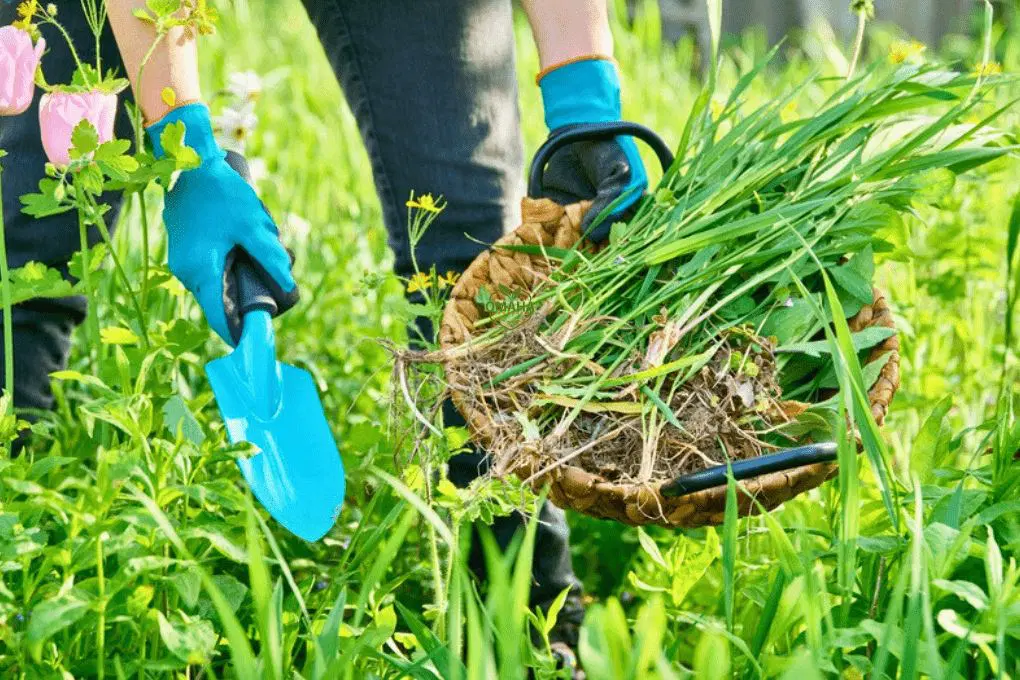
One of the most effective ways to control invasive weeds is consistent physical removal. This includes hand-pulling, digging out roots, and using tools like hoes or weed pullers. The key is to remove the entire root system, not just the visible plant.
For larger areas, mowing or cutting can weaken weeds over time by preventing them from seeding. However, it must be repeated regularly because most invasive species regrow quickly after being cut.
Smothering and Soil Coverage Techniques
Smothering weeds blocks sunlight and prevents photosynthesis, eventually killing the plant. This can be done using mulch, cardboard layers, landscaping fabric, or thick organic coverings like straw or wood chips.
This method is especially useful in garden beds and unused patches of soil. Over time, it also improves soil quality by increasing moisture retention and organic matter.
Chemical Control When Necessary
In severe infestations, herbicides may be used as part of an integrated control strategy. Systemic herbicides are particularly effective because they are absorbed into the plant and travel to the roots, killing it completely.
However, chemical methods should always be used carefully and sparingly, as overuse can damage soil health and surrounding vegetation. Combining chemical treatment with physical removal often produces better long-term results than relying on chemicals alone.
Preventing Reinfestation Through Healthy Soil Management
Long-term weed control depends heavily on maintaining healthy, competitive vegetation. Dense grass, native plants, or ground cover species help block sunlight and reduce space for weeds to grow.
Regular mulching, proper irrigation practices, and avoiding unnecessary soil disturbance all reduce the chances of reinfestation. Even after removal, weed seeds can remain dormant in soil for years, so prevention is an ongoing process rather than a one-time task.
In large-scale situations, professional land clearing may be used to reset heavily infested areas before restoring them with controlled planting and soil stabilization techniques.
Long-Term Strategy for Permanent Weed Control
True weed eradication is not about a single treatment—it is about consistency. Combining manual removal, ground coverage, selective herbicide use, and soil management creates a system that gradually reduces weed pressure over time.
Monitoring the area regularly is essential. Early detection allows small outbreaks to be handled before they become major infestations again.
Conclusion
Getting rid of invasive weeds permanently requires patience and a layered approach. By understanding how they grow, removing them properly, protecting the soil, and maintaining healthy plant competition, it is possible to significantly reduce—and eventually eliminate—their presence. Consistency is the real key to long-term success.
