


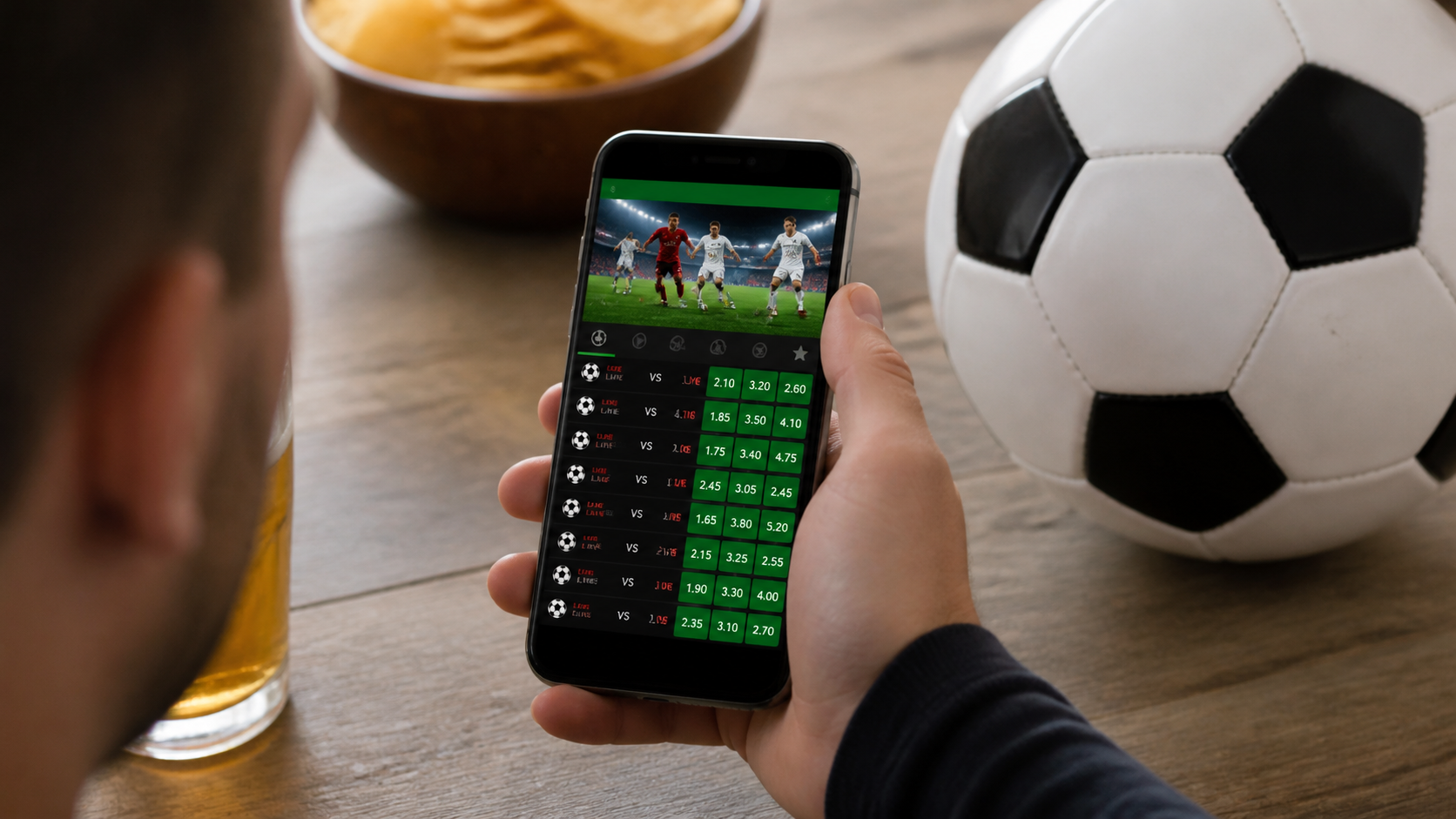
Choosing an online sports betting service involves more than finding a long list of matches or appealing odds. For people in Singapore, the decision also calls for careful attention to local rules, account safety, payment terms, and the way a platform presents its markets. Taking time to assess these details can help readers make a more informed choice without treating betting as a source of income.
Sportsbooks differ in their coverage, layout, available features, and terms. A useful comparison starts with the basics: whether the service is appropriate for your circumstances, whether its policies are clear, and whether its tools support measured participation. The points below offer a practical framework for evaluating options while keeping entertainment and personal limits in view.
Start with local rules and personal eligibility
Before creating an account or depositing money, check the current laws and requirements that apply to you in Singapore. Rules can depend on the operator, the activity, and the user’s circumstances, so do not assume that a website being accessible means it is suitable or lawful for every person. Consult official sources when you need clarity, and avoid relying on advertising or informal online discussions as a substitute for current guidance.
Age and identity requirements deserve attention as well. A legitimate service should explain who may use it and what information it requests during registration. Never misrepresent your age, location, or identity to get around a restriction. If you cannot establish that a service is appropriate for you, the sensible choice is not to proceed.
It is also worth distinguishing a sportsbook from other gaming products. Some websites combine sports markets with casino-style games or other forms of wagering. Read the descriptions and account terms carefully so you understand what activities are offered and what conditions apply to each. Clear boundaries make it easier to avoid taking part in something you did not intend to use.
Compare markets, odds, and event coverage
Once eligibility and rules are clear, consider whether a sportsbook covers the sports and competitions you actually follow. A broad menu can look impressive, but sheer volume is less useful than clear, relevant choices. Readers comparing the best sports betting sites Singapore can look at how easily they can find familiar events and understand the available market types.
Market labels should be straightforward. A platform may present match outcomes, totals, handicaps, or other options, but the terminology and settlement rules matter more than the number of selections displayed. Check how a market is defined, what happens if an event is postponed, and how the operator handles an abandoned or shortened match. If the relevant rules are difficult to locate, that is a reason to pause rather than guess.
Read odds as prices, not promises
Odds describe the offered terms for a selection; they do not indicate that an outcome is likely or guaranteed. Comparing prices across services can be useful, but only when you understand the format and any applicable conditions. A difference in displayed odds does not by itself tell the full story if markets have different rules, limits, or settlement practices.
Be cautious about making decisions in response to rapidly changing prices or promotional language. No odds format removes uncertainty, and no prediction can ensure a result. Treat each wager as a discretionary entertainment expense, not as a strategy for earning money or recovering previous losses.
Look for clear terms and usable account features
Before depositing, read the account terms, including any rules for withdrawals, account verification, transaction processing, and promotional offers. Promotions may have conditions that affect eligibility or the ability to withdraw funds. Understand those conditions before accepting an offer; if the wording is unclear, ask the operator for an explanation or skip the promotion.
Payment information should be presented plainly. Check which methods are available to you, what steps may be required to confirm a transaction, and whether the service explains possible processing delays or charges. Do not share passwords, one-time codes, or account details with anyone claiming to help you place a bet. Use a unique password and secure your email account, since it may be involved in account recovery.
The interface matters, too. Menus should make it possible to locate sports, review a selection, and check a bet slip before confirming anything. Take a moment to verify the event, market, odds, and stake shown on screen. A clear confirmation process helps reduce avoidable mistakes, especially when browsing on a small mobile display or during a live event.
Assess safety, support, and responsible-play tools
Look for accessible policies explaining account privacy, identity checks, dispute procedures, and customer support. The presence of a policy is not a guarantee of a particular outcome, but clear information lets you understand the operator’s stated processes. Consider whether support channels are easy to find and whether the answers address practical questions rather than simply directing you to promotional material.
Responsible-play features can help users keep participation within personal limits. Depending on the service, tools may include deposit or activity limits, time reminders, temporary breaks, or account exclusion options. Learn how these work before you need them. If you find yourself raising limits impulsively, hiding betting activity, or wagering to try to win back losses, step away and seek support from someone you trust or an appropriate local service.
Set boundaries before opening an account
Decide in advance how much time and money, if any, you are comfortable spending. Keep betting funds separate from money needed for bills, savings, or other essentials, and do not borrow to wager. A pre-set limit is most useful when you follow it regardless of a win, a loss, or the excitement of a live match.
It can also help to avoid betting when distressed, tired, or under pressure. Taking a break is a sound choice whenever the activity stops feeling recreational. If betting is causing financial strain or affecting relationships and daily responsibilities, pause participation and look for suitable support rather than trying to solve the problem with another wager.
Make a measured comparison before deciding
A simple checklist can keep the evaluation focused. Consider whether you have confirmed your eligibility and reviewed applicable rules; whether the sports and markets are relevant to you; whether settlement and payment terms are understandable; and whether privacy, support, and responsible-play information is easy to find. These practical checks are more meaningful than bold claims, flashy design, or a large number of promotions.
Compare services at your own pace and avoid opening several accounts simply to chase bonuses or short-term odds. If you do choose to use a sportsbook, confirm every selection before submitting it, keep records of spending, and stop at the limits you set. Betting outcomes remain uncertain, and losses should never be treated as debts that must be won back.
For some readers, the right conclusion may be not to bet at all. Others may decide that a particular service does not provide enough clear information to justify using it. Either response is reasonable. A careful review gives you the chance to make that decision deliberately instead of reacting to a promotion or a moment of excitement.
Conclusion: Choose clarity over hype
Evaluating sports betting services in Singapore calls for attention to local requirements, transparent terms, relevant markets, account practices, and tools that support personal limits. Odds and promotions can be part of a comparison, but they should never obscure the underlying conditions or the uncertainty of every result.
Take time to verify what applies to your situation, read the rules before making a deposit, and set firm boundaries if you participate. A measured approach keeps the focus on informed decisions and recreational enjoyment—and recognizes that walking away is always an option.
