


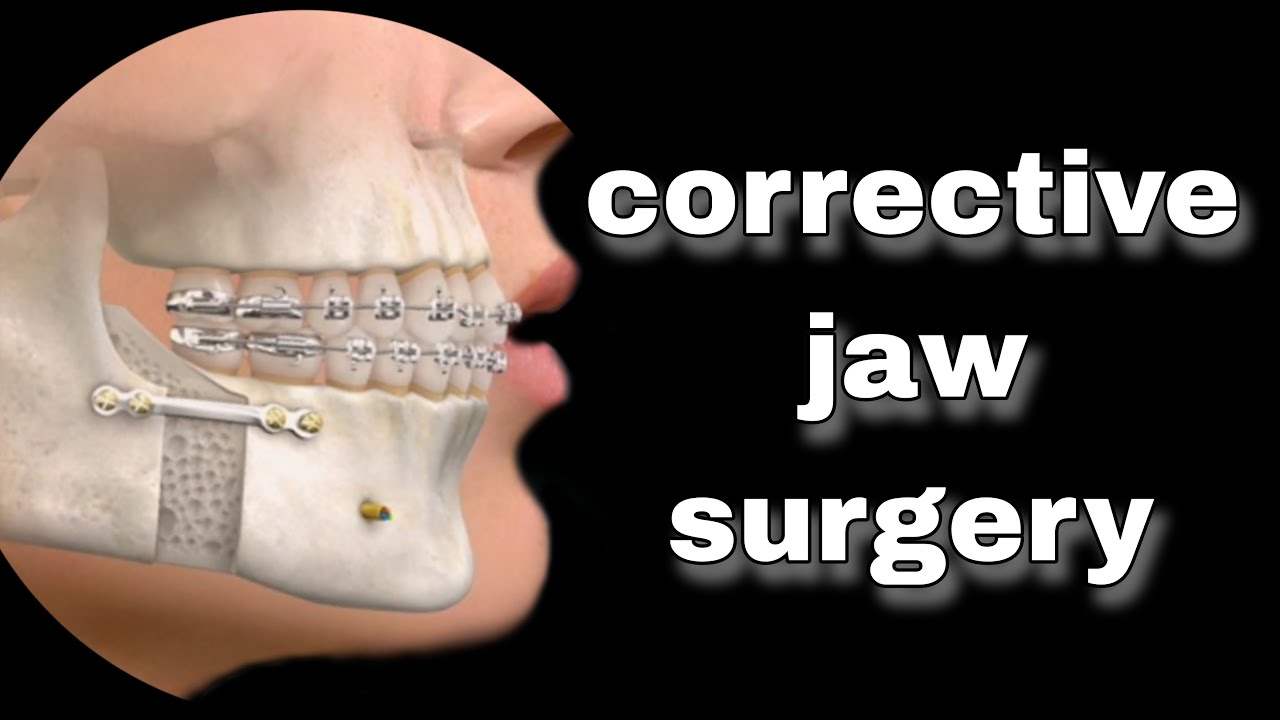
Chronic facial pain is often one of the most confusing conditions for patients. It can feel like a dental issue, a sinus problem, or even a neurological disorder. Yet in many cases, the root cause lies in something less obvious—the structure and function of the jaw.
Because the jaw is deeply connected to muscles, joints, and nerves across the face and head, even small imbalances can lead to persistent discomfort. Understanding this connection helps explain why some cases of facial pain are difficult to diagnose—and why structural correction may sometimes be required.
Why Facial Pain Is Often Misunderstood
Facial pain doesn’t always point clearly to its source. Patients may experience:
- aching around the cheeks or temples
- pain near the ears
- tension in the jaw muscles
- headaches that feel like migraines
- sensitivity while chewing
These symptoms can overlap with several conditions, leading to misdiagnosis or delayed treatment. It’s common for individuals to try multiple treatments without lasting relief.
The Role of the Jaw in Pain Distribution
The jaw is connected to a network of muscles and nerves that extend throughout the face and neck. When the jaw is not functioning properly, it can create tension patterns that radiate outward.
For example:
- an imbalanced bite may cause muscles to overwork
- joint instability can lead to inflammation
- uneven pressure may strain surrounding tissues
Over time, this constant strain can develop into chronic pain that feels widespread rather than localized.
Temporomandibular Joint (TMJ) as a Key Factor
The temporomandibular joint is one of the most important contributors to jaw-related pain. It allows the jaw to move smoothly for everyday activities like chewing and speaking.
When the TMJ becomes damaged or unstable, it can lead to:
- pain during jaw movement
- clicking or grinding sounds
- limited mouth opening
- discomfort that spreads to the face and head
In more advanced cases, joint degeneration can alter the position of the jaw, further increasing strain on muscles and nerves.
How Bite Imbalance Contributes to Pain
A stable bite ensures that pressure is distributed evenly across the teeth and joints. When the bite is uneven, the body compensates by shifting the jaw or activating certain muscles more than others.
This imbalance can result in:
- muscle fatigue
- tension headaches
- jaw soreness after eating
- increased stress on the TMJ
Because these changes happen gradually, many people don’t immediately connect them to their symptoms.
The Overlooked Impact of Jaw Position
Jaw position affects more than just the bite—it influences overall facial balance and muscle coordination.
When the jaw is misaligned, it can:
- place continuous stress on one side of the face
- alter how muscles engage during movement
- contribute to long-term discomfort
In some cases, correcting jaw position can reduce or eliminate chronic pain by restoring balance to the system.
When Pain Becomes a Structural Issue
Not all facial pain requires surgery, but certain cases involve structural problems that cannot be resolved through temporary treatments alone.
These may include:
- severe jaw misalignment
- advanced TMJ disorders
- progressive changes in jaw position
- persistent symptoms despite conservative treatment
In such situations, addressing the underlying structure becomes essential for long-term relief.
The Role of Surgical Correction
When structural imbalance is the root cause, Jaw Surgery may be considered as part of the treatment plan. The goal is to reposition the jaw in a way that restores proper alignment and reduces stress on the joints and muscles.
By correcting the structure, surgery can help:
- improve bite stability
- reduce muscle strain
- relieve joint pressure
- restore balanced movement
This approach focuses on resolving the cause of pain rather than managing symptoms.
Why Proper Diagnosis Is Critical
Chronic facial pain can have multiple contributing factors, which is why accurate diagnosis is so important. A thorough evaluation typically includes:
- assessment of jaw movement
- analysis of bite alignment
- examination of TMJ health
- review of facial symmetry
Understanding how these elements interact allows for a more targeted and effective treatment plan.
Final Thoughts
Chronic facial pain is often more complex than it appears. What seems like a surface-level issue may actually stem from deeper structural imbalances within the jaw system.
By recognizing the connection between jaw function and facial pain, patients can take a more informed approach to treatment. Whether the solution involves conservative care or structural correction, identifying the true cause is the first step toward lasting relief.
